
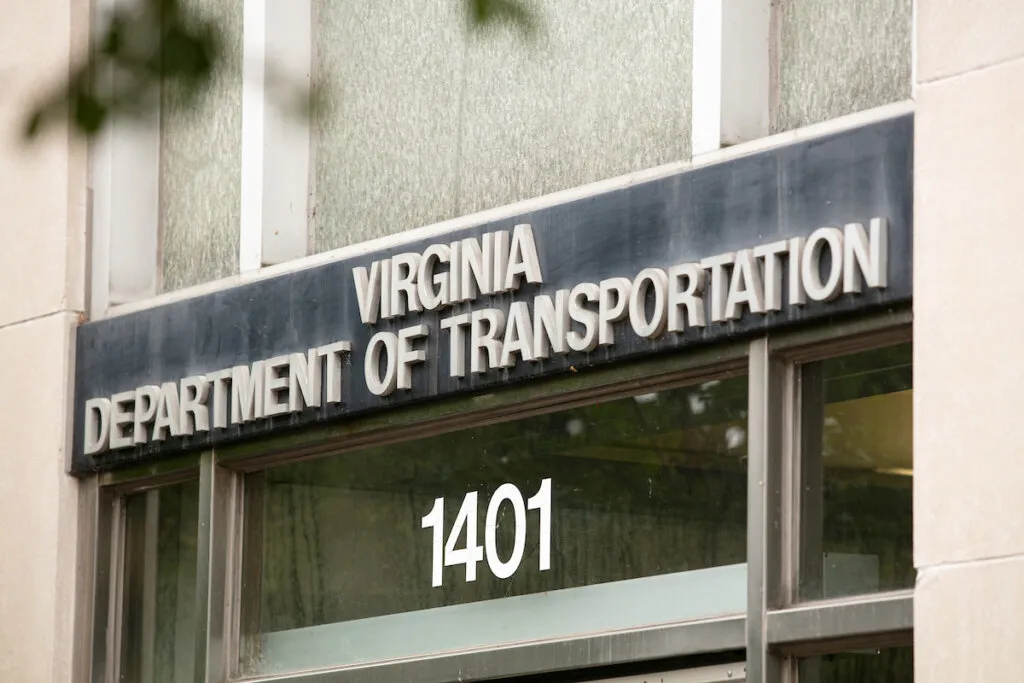
In recent years, artificial intelligence (AI) has transformed various industries, from healthcare to finance. Now, AI is reshaping how governments and transportation departments manage and maintain roads. The Virginia Department of Transportation (VDOT) is at the forefront of this transformation, implementing AI-powered solutions to enhance efficiency, reduce costs, and improve road conditions across the state.
As infrastructure maintenance costs soar, AI presents a game-changing opportunity to optimize repairs, prevent damage, and streamline decision-making. In this blog post, we explore how AI is revolutionizing road maintenance, its benefits, global implementations, and the challenges it faces.
The Rising Costs of Road Maintenance
◆ Since 2020, highway construction and maintenance costs have increased by 68% nationwide.
◆ Traditional road maintenance relies on a reactive approach, meaning repairs are done only after visible damage occurs, leading to higher expenses.
◆ Road damage, such as potholes and cracks, worsens over time, increasing repair costs and causing inconvenience to drivers.
◆ AI is now being utilized to shift from reactive to proactive maintenance, saving time and money while ensuring better road quality.
How AI is Transforming Road Maintenance
1. AI-Powered Predictive Maintenance
◆ AI algorithms analyze vast amounts of data collected from sensors, satellite imagery, and vehicles to predict potential road failures before they occur.
◆ This proactive approach enables road maintenance teams to address small issues before they escalate into costly repairs.
◆ AI can also optimize maintenance schedules, ensuring roads are repaired at the most efficient times to minimize disruptions.
2. Smart Pothole Detection and Repair
◆ Traditional pothole detection relies on human inspection, which is time-consuming and expensive.
◆ AI-powered systems use cameras and sensors mounted on vehicles to detect potholes and cracks in real-time.
◆ Some AI-powered robots can even autonomously fill potholes, reducing the need for human labor and improving repair speed.
3. Intelligent Traffic Management Systems
◆ AI enhances intelligent transportation systems (ITS) by monitoring traffic flow and road conditions in real-time.
◆ These systems can adjust traffic signals and redirect vehicles to reduce congestion and prevent excessive road wear.
◆ AI-powered analysis can also help governments prioritize which roads need maintenance first, ensuring efficient use of resources.
Global Implementations of AI in Road Maintenance
The use of AI in road maintenance is not limited to Virginia. Governments and transportation departments worldwide are embracing AI to keep their roads in optimal condition.
United Kingdom
◆ A research team in the UK has developed self-healing asphalt, a special bitumen road surface that can repair cracks autonomously.
◆ This innovation could prevent potholes from forming, extending road lifespan by up to 30%.
◆ AI-powered road scanning technology is also being used to assess road conditions more accurately.
Australia
◆ Sydney’s local councils have implemented AI-driven pothole detection systems mounted on garbage trucks.
◆ These systems have identified and helped repair over 10,000 road defects in just three months.
◆ AI is also used to analyze road surface temperatures, helping prevent extreme weather-related damage.
India
◆ The iRASTE project in Nagpur integrates AI-driven advanced driver assistance systems (ADAS) into municipal vehicles.
◆ These vehicles monitor road conditions and identify hazards in real-time, allowing authorities to take quick action.
◆ AI is also being used to create digital twins of road networks to simulate and predict infrastructure damage.
The Role of AI in Intelligent Transportation Systems

AI is a core component of Intelligent Transportation Systems (ITS), which leverage data and automation to improve transportation networks. Here’s how AI contributes to ITS:
1. Data Collection and Monitoring
◆ AI-powered sensors, cameras, and drones collect real-time data on road conditions, weather, and traffic.
◆ This data helps transportation departments understand road wear and tear patterns, improving maintenance planning.
2. AI-Driven Road Inspections
◆ AI-enabled road inspection systems use high-resolution cameras and LiDAR technology to scan road surfaces for defects.
◆ These systems generate detailed reports, allowing engineers to prioritize repairs efficiently.
3. Autonomous Road Maintenance Vehicles
◆ AI-powered road maintenance robots can fill potholes, repaint road markings, and clear debris without human intervention.
◆ These autonomous systems improve road safety while reducing costs and reliance on manual labor.
Challenges and Considerations in AI-Driven Road Maintenance
While AI offers numerous advantages, its implementation in road maintenance comes with challenges:
1. Data Quality and Integration
◆ AI relies on high-quality, consistent data to make accurate predictions.
◆ Governments must ensure seamless data collection and integration across multiple sources and jurisdictions.
2. High Implementation Costs
◆ Deploying AI systems requires significant investment in technology and infrastructure.
◆ Securing funding and allocating resources effectively are essential to the success of AI-driven maintenance programs.
3. Workforce Adaptation and Public Perception
◆ The transition to AI-powered maintenance may face resistance from workers concerned about job displacement.
◆ Public education and workforce training programs can help ensure smooth adoption of AI technologies.
The Future of AI in Road Maintenance
As AI continues to evolve, we can expect further advancements in road maintenance technology:
◆ Enhanced Predictive Capabilities: AI algorithms will become even more accurate in forecasting road deterioration, allowing for early interventions.
◆ Increased Automation: More tasks, such as road resurfacing and line painting, will be automated through AI-driven robotics.
◆ Sustainable Infrastructure: AI will help optimize road materials and repair techniques, reducing environmental impact.
Conclusion
The integration of AI into road maintenance is revolutionizing infrastructure management. By adopting AI-driven solutions, transportation departments like VDOT can improve road quality, reduce maintenance costs, and enhance overall safety.
As AI technology advances, its role in road maintenance will only become more significant, paving the way for smarter, more efficient, and more sustainable infrastructure systems. Governments worldwide should embrace this innovation to ensure better roads for future generations.






0 Comments