
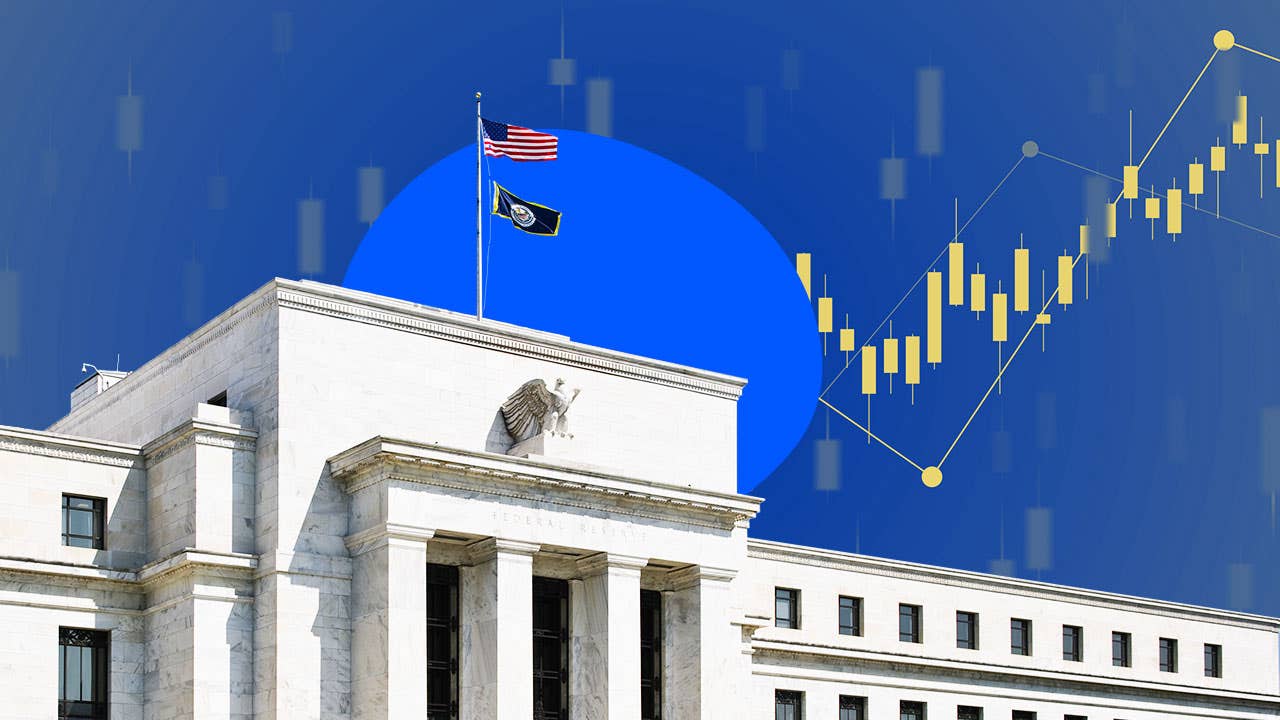
The Federal Reserve’s interest rate decisions have a powerful impact on the economy, financial markets, and personal investments. As the central bank of the United States, the Fed sets the federal funds rate—the benchmark for other interest rates in the economy. This rate influences everything from mortgage rates to the cost of borrowing and the returns on investments.
In this post, we will dive deep into the concept of Federal Reserve interest rates, how they affect different investment types, and what investors need to understand to make informed decisions.
What Are Federal Reserve Interest Rates?
The federal funds rate is the interest rate at which U.S. commercial banks lend to each other overnight. Though it’s a short-term rate, it affects everything from the price of loans to the return on savings. The Federal Reserve adjusts this rate to achieve its two main objectives:
◆ Promoting maximum employment
◆ Maintaining stable prices (inflation control)
When the Fed raises or lowers interest rates, it’s aiming to control inflation and ensure the economy remains balanced. If inflation is too high, the Fed raises interest rates to slow down borrowing and spending. If the economy is too sluggish, they may lower the rates to encourage more borrowing and spending.
A Brief History of the Federal Reserve’s Interest Rate Policy
Understanding the history of the Fed’s interest rate changes helps us appreciate how these adjustments impact the economy:
◆ 2001-2003: During the early 2000s recession, the Fed reduced rates from 6.25% to 1% to stimulate economic growth.
◆ 2007-2008 Financial Crisis: The Fed slashed rates to near-zero levels (0.00%-0.25%) during the 2008 financial crisis to help stabilize the economy.
◆ Post-Crisis Era (2009-2015): The Fed kept interest rates at historically low levels to encourage recovery and reduce unemployment.
◆ 2020 Pandemic Response: Amid the COVID-19 pandemic, the Fed again reduced rates to near-zero to support the economy’s recovery.
◆ 2022-2023: In response to rising inflation, the Fed began raising rates sharply, reaching 4.25%-4.50% by the end of 2022.
As of early 2025, the Fed's interest rate stands at 4.25%-4.50%. The recent rate hikes reflect the Fed’s efforts to tame inflation while balancing economic growth.
How Do Interest Rates Impact Different Investment Types?
The Fed’s decisions on interest rates influence various markets differently. Let’s break down how these rate changes impact different types of investments:
1. Stocks
When interest rates rise, it typically leads to higher borrowing costs for businesses, which can hurt their profit margins and stock prices. For investors, this means that stock prices could become more volatile during periods of rising rates. Growth stocks, in particular, are often affected because they rely heavily on borrowing to fund expansion. Conversely, when the Fed cuts rates, borrowing costs are lower, and companies may see improved earnings, which can be positive for stock prices.
However, stocks in certain sectors like utilities or financial services may benefit from rising interest rates, as they can pass on higher costs to consumers or benefit from higher yields.
2. Bonds
Bonds and interest rates have an inverse relationship. When interest rates rise, the price of existing bonds typically falls, and vice versa. This is because newer bonds will offer higher yields (interest rates) when the Fed hikes rates, making older bonds less attractive.
For bond investors, it’s crucial to monitor the interest rate cycle to manage their portfolios effectively. Longer-term bonds are more sensitive to rate changes, while shorter-term bonds are generally less affected.
3. Real Estate
Interest rate hikes can lead to higher mortgage rates, which could cool the housing market as borrowing costs increase. For real estate investors, this might mean a reduction in demand for home purchases, but it could present an opportunity in the rental market. Higher rates can also make commercial real estate investments more expensive.
On the flip side, real estate is often considered a hedge against inflation, so in certain environments, real estate investments may hold value even with rising rates.
4. Money Market Funds and Savings Accounts
As the Fed increases interest rates, returns on savings accounts, money market funds, and other short-term debt instruments typically rise. For conservative investors or those looking to keep their cash liquid, these investment options become more attractive as they provide safer, interest-bearing alternatives with relatively low risk.
The surge in money market fund assets has been notable in recent years, with investors flocking to these safe havens during times of uncertainty. According to reports, the total assets in money market funds reached a record $7.03 trillion in early 2025.
Why Should Investors Care About Federal Reserve Interest Rate Decisions?

The Federal Reserve’s interest rate decisions are a major signal of the economy's health and direction. Investors need to pay attention to these decisions because they affect everything from market sentiment to consumer behavior. Here are key reasons why it matters:
◆ Forecasting Economic Growth: The Fed’s rate hikes or cuts often signal the central bank’s outlook on the economy. Rising rates generally indicate the Fed is concerned about inflation and wants to slow down economic growth, while lower rates typically signal attempts to stimulate a sluggish economy.
◆ Impact on Credit and Borrowing: Higher interest rates make borrowing more expensive, which can affect both individuals and businesses. This impacts spending, investment decisions, and consumer debt levels.
◆ Changes in Investment Strategy: Understanding where the Fed is heading with interest rates can help investors adjust their portfolios accordingly. Those holding interest-sensitive investments, like bonds or real estate, need to be particularly proactive.
◆ Inflation Control: One of the Fed’s main goals is controlling inflation. Rising inflation typically leads to higher rates, which helps slow down the economy, while low inflation may encourage the Fed to lower rates.
How to Prepare for Future Federal Reserve Rate Changes
Investors can take proactive steps to prepare for changes in the Fed’s interest rates:
◆ Diversify your portfolio: Exposure to a range of asset classes will help protect against rate-related volatility.
◆ Consider duration: For bond investors, managing the duration of your portfolio is important. Short-term bonds are less sensitive to interest rate changes than long-term bonds.
◆ Focus on inflation-resistant assets: Real estate, commodities, and inflation-protected securities can act as hedges during periods of rising rates.
◆ Stay informed: Regularly monitor Fed announcements, economic data, and inflation trends to better understand how rate changes might affect your investments.
Conclusion: Navigating a Rate-Hiking Environment
Federal Reserve interest rates are a powerful tool for managing the economy, but they also have a significant impact on investment strategies. As the Fed continues to raise rates in response to inflationary pressures, it’s essential for investors to understand the broader implications for various asset classes.
By staying informed, adjusting your portfolio strategy, and understanding the relationship between interest rates and investment returns, you can better navigate the complex landscape of U.S. economic policy.
For more financial updates, tips, and strategies, be sure to stay connected with Royal Wealth.
Related Articles:
◆ US Jobs Data Calms Market Fears, but Jitters on Policy Uncertainty Remain
An in-depth analysis of how US jobs data is influencing market sentiments while lingering concerns about policy uncertainty persist.
◆ Money-Market Fund Assets Hit Record $7 Trillion as Investors Seek Safe Havens
Explore how investors have flocked to money-market funds amid economic uncertainty, pushing assets to an all-time high.
◆ Tariff Fights Keep the Fed in a Holding Pattern on Rates
A detailed look at how ongoing tariff disputes are influencing the Federal Reserve’s stance on interest rates.
By following these strategies and keeping an eye on interest rate changes, you can adjust your investment approach to thrive, regardless of economic conditions.






0 Comments