
Advanced CSS in Modern Web Design: Building Faster, Smarter, and Conversion-Focused Websites

A website can look visually impressive and still fail to generate leads, sales, or engagement if the underlying front-end structure is poorly built. Many businesses invest heavily in branding and marketing campaigns, only to lose visitors because of slow loading speeds, inconsistent layouts, weak mobile responsiveness, or confusing user interfaces.
This is where advanced CSS becomes a critical part of modern web design strategy. CSS is no longer limited to colors and spacing adjustments. It now plays a major role in responsive layouts, animation systems, performance optimization, accessibility, UI hierarchy, and overall user experience architecture. Companies that understand how to implement modern CSS frameworks and scalable styling systems create websites that feel premium, load faster, and convert more effectively.
Royal Wealth Org helps businesses, startups, and growing brands build custom websites that combine modern UI/UX design principles with clean front-end development practices. Instead of relying on generic templates, the agency focuses on performance-driven design systems tailored to business objectives, customer behavior, and scalable digital growth.
"Advanced CSS is not simply a styling tool — it is the architectural backbone of modern web experiences. How a website is styled determines how fast it loads, how users interact with it, and ultimately how many visitors convert into customers or clients."
Why CSS Matters More Than Ever in Modern Web Design
CSS has evolved from a simple styling language into one of the core foundations of digital product design. Modern websites now require responsive grids, interactive transitions, adaptive layouts, mobile-first architecture, dark mode compatibility, and optimized visual hierarchy. All of these depend heavily on well-structured CSS implementation.
Businesses often underestimate how strongly front-end styling impacts user perception. A website with inconsistent spacing, broken mobile layouts, poor typography, or laggy animations immediately reduces credibility. Users associate interface quality with business professionalism — if a website feels outdated or difficult to navigate, trust declines almost instantly.

Modern CSS frameworks and methodologies such as Flexbox, CSS Grid, SCSS architecture, utility-first styling, and component-based design systems allow developers to create scalable and maintainable interfaces. These systems improve consistency across pages while reducing development inefficiencies that inflate project costs and timelines.
- Responsive grid systems enabling consistent, adaptive layouts across all screen sizes and device types
- CSS animation and transition systems improving user engagement without sacrificing performance
- Mobile-first architecture ensuring superior usability for the growing majority of mobile visitors
- Component-based design systems maintaining visual consistency across complex multi-page websites
- Typography scale control improving readability, content hierarchy, and user comprehension
- Accessibility-compliant styling ensuring broader audience reach and regulatory compliance
- Performance-optimized CSS reducing render-blocking resources and improving page loading speed
- Strategic CTA styling and whitespace management directly increasing conversion rates and lead generation
Responsive Web Design and Mobile-First CSS Architecture
Mobile traffic dominates most industries, making responsive web design one of the most important components of professional web development. Websites that fail to adapt smoothly across smartphones, tablets, laptops, and large desktop screens create friction that increases bounce rates and reduces engagement quality.
Modern CSS enables developers to build responsive experiences through media queries, fluid layouts, viewport units, adaptive typography, and flexible containers. Instead of creating separate mobile websites, developers now use mobile-first CSS architecture to ensure scalability across all devices without duplicating code or creating maintenance headaches.

Business Advantages of Responsive CSS Architecture
- Better user retention across mobile, tablet, and desktop device categories
- Improved accessibility for users with varying abilities and assistive technologies
- Stronger search visibility through mobile-first indexing compliance and performance signals
- Higher conversion rates resulting from consistent cross-device browsing experiences
- Reduced bounce rates as users find interfaces intuitive and easy to navigate on any screen
- Unified codebase reducing long-term development and maintenance costs significantly
- CSS Grid systems creating highly organized layouts without excessive JavaScript dependency
- E-commerce performance improvement as product pages and checkouts function flawlessly on mobile
Starting Small, Scaling Intelligently
Professional responsive web design begins with smartphone layouts first, then progressively enhances experiences for larger screens. This approach forces content prioritization, eliminates unnecessary complexity, and ensures mobile users receive the best possible experience. Wireframes, typography systems, navigation structures, and interactive elements are all designed around touch-friendly mobile patterns before scaling to desktop.
Converting Mobile Shoppers Effectively
For businesses running e-commerce stores, responsive CSS architecture is especially critical. Product pages, shopping carts, filters, and checkout flows must function flawlessly on mobile devices to avoid losing customers mid-purchase. Advanced CSS Grid and Flexbox systems create product listing layouts, sticky navigation elements, and mobile-optimized checkout experiences that reduce cart abandonment and increase revenue.
UI/UX Design Principles Powered by Advanced CSS
User interface and user experience design are deeply connected to front-end styling. CSS controls how users visually process information through spacing, typography, contrast, hierarchy, animation, and responsive behavior. Good UI/UX design is not about decoration — it is about communication, clarity, usability, and interaction flow.
Professional web designers use CSS to establish visual consistency across every interactive element. Micro-interactions powered by CSS transitions and animations improve user engagement without compromising performance. Subtle hover effects, animated buttons, loading states, and responsive navigation transitions create smoother experiences that feel polished and intentional.

CSS-Powered UI/UX Elements That Drive Engagement
- Button styling and hover state animations that communicate interactivity and encourage clicks
- Form design optimization reducing friction and improving completion rates for lead generation
- Navigation system styling creating intuitive pathways through website content hierarchies
- Typography scale systems maintaining readable content across all screen sizes and contexts
- Content card and layout block systems organizing information for maximum scannability
- Loading state animations reducing perceived wait times and preventing user abandonment
- Accessibility-focused focus states and contrast ratios supporting inclusive design for all users
- Visual hierarchy systems guiding attention toward conversion elements and priority business content
Website Performance Optimization Through Clean Front-End Development
Website speed is directly tied to business performance. Slow-loading websites reduce conversions, negatively affect SEO rankings, and increase abandonment rates. CSS optimization plays a major role in improving loading performance and Core Web Vitals scores that search engines use to evaluate page quality.
Poorly structured front-end code often includes unused CSS files, heavy animations, excessive frameworks, render-blocking resources, non-optimized media handling, and redundant styling rules. These issues accumulate over time and compound into significant performance penalties that directly damage business outcomes.
Performance Metrics That Affect Rankings
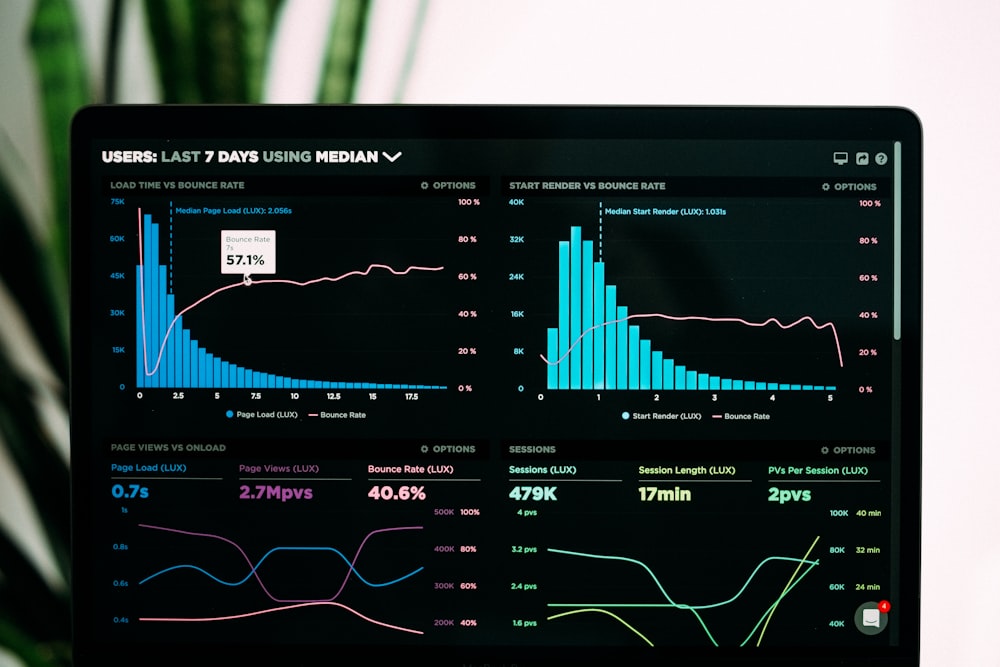
Core Web Vitals metrics — Largest Contentful Paint (LCP), Cumulative Layout Shift (CLS), and Interaction to Next Paint (INP) — are strongly influenced by front-end CSS implementation quality. Businesses ignoring these technical elements often struggle with declining search visibility and reduced user engagement. Optimized front-end architecture directly improves all three metrics simultaneously, creating compounding benefits for both rankings and user experience quality.
Eliminating Performance Bottlenecks
Modern development teams optimize CSS through minification, modular styling systems, critical CSS loading, caching strategies, and lightweight design frameworks. CSS containment strategies and efficient layout rendering methods reduce browser workload dramatically. Clean CSS architecture improves scalability and long-term maintainability while reducing the technical debt that accumulates in websites built without structured front-end planning and professional code organization.
SEO-Friendly Web Architecture and CSS Integration
Many businesses separate SEO and web design into completely different strategies. In reality, technical SEO and front-end CSS development are closely interconnected. Search engines prioritize websites that provide strong usability, responsive layouts, fast loading speeds, clean navigation systems, and accessible content structures — all of which CSS directly influences.
SEO-friendly web architecture combines structured content hierarchy, responsive layouts, mobile usability, optimized visual rendering, lightweight front-end assets, consistent navigation, and accessible design systems. CSS contributes significantly to every one of these factors, making front-end quality inseparable from organic search performance.

How Advanced CSS Supports SEO Performance
- Responsive layout systems improving mobile usability scores that Google prioritizes in mobile-first indexing
- Performance-optimized CSS reducing page load times that directly influence crawl efficiency and rankings
- Clean spacing and typography improving content readability for both users and search engine bots
- Accessible design patterns supporting broader audience reach and improving user engagement signals
- Consistent navigation styling improving internal linking architecture and crawlability of important pages
- CLS-optimized layouts preventing visual instability that negatively impacts Core Web Vitals scores
- Lightweight CSS frameworks reducing render-blocking resources that delay page content display
- Conversion-focused landing page styling improving dwell time signals that search engines evaluate
About Royal Wealth Org — Professional Web Design and Development Agency
Royal Wealth Org is a web design and development agency focused on building fast, conversion-oriented websites for businesses, startups, and growing brands. The company specializes in custom website development rather than relying on generic pre-built templates, allowing businesses to maintain unique branding and scalable digital infrastructure.
The agency has completed 50+ projects across 15+ countries and maintains a strong 4.7-star rating based on client satisfaction and project delivery quality. Their development approach combines UI/UX strategy, responsive design systems, front-end performance optimization, and business-focused website architecture to create digital experiences that support long-term growth.

Full-Spectrum Web Design & Development
Landing page design, business website development, portfolio website creation, e-commerce development, SEO optimization, website redesign, and ongoing maintenance — all engineered around specific performance goals, SEO objectives, and business conversion targets. Additional services include branding solutions, email marketing setup, Google My Business optimization, and advanced technical integrations for complex business requirements.
Ownership, Transparency, and Long-Term Support
Every Royal Wealth Org project includes free revisions, a 30-day post-launch warranty, and complete ownership handover — ensuring businesses maintain full control over their website without dependency on restrictive platforms, hidden costs, or licensing limitations that prevent customization and growth as business requirements evolve over time.
Why Businesses Choose Professional Agencies Over DIY Builders
Many businesses initially choose freelance developers, cheap templates, or DIY website builders because they appear affordable upfront. However, these solutions often create long-term limitations that impact scalability, branding consistency, CSS customization flexibility, and overall technical performance.
DIY platforms usually restrict customization flexibility, performance optimization, and advanced front-end architecture. While they may work for basic websites, growing businesses quickly outgrow these systems and require expensive rebuilds that negate the original cost savings. Cheap templates introduce bloated code structures, weak performance optimization, generic layouts, poor SEO architecture, limited scalability, security vulnerabilities, and plugin conflicts that compound over time.

Short-Term Savings, Long-Term Constraints
Cheap templates frequently suffer from bloated CSS structures, slow loading speeds, generic design appearance, limited customization options, poor indexing architecture, weak mobile optimization, and accumulating technical debt. While these solutions reduce initial costs, they create competitive disadvantages that become increasingly expensive to resolve as businesses grow — often requiring complete rebuilds rather than iterative improvements that protect existing SEO and content investments.
Coordinated Expertise Across Disciplines
Professional agencies provide organized development workflows, advanced CSS and front-end expertise, performance-focused strategies, long-term scalability planning, dedicated technical support, and professional branding systems. UI/UX designers, front-end developers, SEO strategists, and project managers collaborate through systematic processes — delivering coordinated multi-discipline expertise that consistently outperforms fragmented DIY or isolated freelance development approaches.
Technical Web Design Elements That Improve Business Growth
Modern websites require more than attractive visuals. Successful digital platforms combine technical CSS efficiency with strategic design execution to create experiences that attract visitors, engage them meaningfully, and convert them into customers. Several technical elements strongly influence both performance quality and overall business effectiveness.
Critical Technical Elements Powered by Advanced CSS
- Core Web Vitals optimization through CSS performance strategies that improve LCP, CLS, and INP scores
- Clean modular CSS architecture improving scalability, debugging efficiency, and future redesign flexibility
- Visual hierarchy systems guiding users toward important conversion actions through strategic styling
- Wireframing and prototyping-aligned CSS design systems reducing inconsistencies between design and development
- CMS integration with optimized custom CSS maintaining brand uniqueness within scalable platform environments
- Mobile-first responsive frameworks ensuring consistent functionality across all device types and screen sizes
- On-page SEO structure through proper heading hierarchy, accessible rendering, and organized content layouts
- Conversion-focused landing page CSS architecture improving engagement signals and reducing bounce rates
Summary
Professional web design is no longer just about appearance. Businesses need fast-loading, responsive, SEO-structured, and conversion-focused websites that support long-term digital growth. Modern CSS development plays a major role in UI consistency, user experience quality, performance optimization, and scalable front-end architecture. From responsive grid systems and mobile-first layouts to micro-interaction animations and Core Web Vitals optimization, advanced CSS is the technical foundation that separates high-performing business websites from generic online presences. Royal Wealth Org combines custom web design, technical CSS expertise, and business-focused development strategy to help brands create websites that perform effectively across design quality, usability standards, and measurable conversion metrics — backed by transparent pricing, free revisions, and a 30-day post-launch warranty that gives clients confidence in every digital investment.
Frequently Asked Questions
Common questions about advanced CSS, modern web design, responsive architecture, mobile-first development, Core Web Vitals, UI/UX design, front-end performance optimization, conversion rate optimization, and professional web design agencies for sustainable business growth
Ready to Build a Custom Website with Advanced CSS Architecture, Superior Performance, and Conversion-Focused Design?
Royal Wealth Org builds custom websites combining advanced CSS development, responsive web design, Core Web Vitals optimization, SEO-friendly front-end architecture, mobile-first development, and conversion strategy. Book a free 30-minute call to discuss your website project today.
0 Comments