
AI Shopping and AI E-Commerce: How Intelligent Web Design Transforms Online Retail

Artificial intelligence is rapidly transforming how customers shop online. AI-powered recommendations, predictive search, personalized product feeds, smart chat systems, and automated shopping experiences are fundamentally changing consumer behavior and purchase patterns. Businesses that fail to embrace this shift often struggle with low engagement, weak conversion rates, and fragmented customer experiences.
A successful AI e-commerce strategy requires more than adding chatbots or recommendation widgets. Businesses need responsive web design, intelligent UI/UX systems, conversion-focused interfaces, performance optimization, and seamless integration between AI automation and customer journeys. This is where professional web development becomes essential.
Modern brands are now investing in adaptive web experiences, personalization architecture, and conversion-driven digital infrastructure that supports both AI automation and long-term customer retention. For businesses looking to build scalable AI commerce systems, Royal Wealth Org provides custom web design and development solutions built specifically for intelligent automation, performance, and online growth.
"A successful AI e-commerce strategy is not built on automation alone — it is engineered through intelligent web design, conversion-focused UI/UX, responsive architecture, and seamless AI integration working together as one cohesive digital experience."
Why AI E-Commerce Is Reshaping Online Shopping
Traditional e-commerce relied heavily on static product pages and search-based discovery. AI shopping changes this model entirely by analyzing customer behavior, predicting preferences, and personalizing every interaction in real time.
AI commerce systems allow businesses to deliver dynamic product recommendations, predictive search results, personalized landing pages, and automated customer journeys that adapt based on browsing patterns and purchase history. This creates an intelligent buying environment where personalization, responsiveness, and user experience directly influence conversion performance.

What Business Websites Must Support for AI E-Commerce Success
- Dynamic recommendation engines delivering personalized product suggestions based on browsing and purchase behavior
- Fast-loading product pages maintaining performance despite AI-generated personalization and real-time content rendering
- Conversion-focused UI/UX guiding AI-driven visitors naturally toward product discovery and purchase completion
- Seamless checkout experiences reducing cart abandonment during the final transaction stage
- Adaptive landing pages aligned with AI-generated personalization and customer segment targeting strategies
- Responsive design supporting AI shopping across smartphones, tablets, and desktop devices
- Smart search integration enabling predictive search, autocomplete, and AI-powered product discovery
- Social proof integration building purchase confidence through reviews, ratings, and user-generated content
Mobile-First Design for AI Shopping Experiences
AI shopping is fundamentally mobile-first. Customers interact with personalized recommendations, predictive search, and intelligent product feeds primarily through smartphones. Websites supporting AI commerce must match this behavior to convert effectively.
Mobile-first web design prioritizes smartphone performance and AI-generated content rendering before desktop layouts. Developers structure interfaces specifically for touch-based interaction, adaptive personalization, responsive layouts, and simplified navigation that minimize friction during intelligent shopping experiences.

- Thumb-friendly call-to-action buttons positioned for natural one-handed mobile interaction during AI-personalized browsing
- Adaptive navigation maintaining recommendation accessibility throughout the entire shopping experience
- Optimized vertical product layouts designed for natural top-to-bottom mobile AI product discovery
- Fast-loading recommendation engines delivering AI suggestions without excessive load times or lag
- Responsive checkout systems enabling frictionless mobile purchasing without complex form interactions
- Intelligent filtering systems reducing cognitive load and enabling fast AI-guided product navigation
- Adaptive typography and content scaling ensuring readable product information across all device sizes
UI/UX Design Principles for AI Shopping Experiences
UI/UX design directly impacts how effectively users engage with AI-powered shopping systems. Modern consumers expect intelligent interfaces that feel intuitive, personalized, and aligned with their preferences to convert effectively.
Professional designers use wireframing and prototyping to map how users interact with AI recommendations, predictive search, and dynamic content before development begins. This allows businesses to balance personalization with usability, ensuring AI systems enhance rather than overwhelm the shopping experience.

Balancing AI Personalization with Usability
Conversion-focused UX design for AI commerce removes unnecessary distractions and presents personalized recommendations strategically. Effective AI shopping UX includes clear visual hierarchy, personalized product layouts, intelligent recommendation placement, minimalistic interfaces, fast interaction feedback, and simplified checkout pathways that respect user preferences without overwhelming decision-making processes.
Interface Details That Build Purchase Confidence
Micro-interactions in AI commerce — including dynamic recommendation updates, smooth product filtering, real-time cart updates, and responsive search — improve engagement and perceived intelligence. Strong UX transforms AI-driven traffic into revenue by ensuring every interaction reinforces trust, reduces decision fatigue, and moves users toward purchase completion without unnecessary friction or complexity.
AI-Powered Landing Page Optimization Strategy
AI shopping campaigns often generate targeted traffic bursts based on customer segments and behavioral patterns. Businesses need intelligent landing pages optimized specifically for AI campaign performance rather than generic homepages that create navigation friction.
High-converting brands use AI-targeted landing pages aligned with customer segments and personalization strategies — ensuring that messaging, product positioning, recommendations, and checkout flows match the specific customer journey and AI-predicted preferences.

- Strong headline hierarchy communicating personalized value proposition within the first three seconds
- AI-powered product showcases displaying intelligent recommendations aligned with customer behavior and preferences
- Social proof and customer reviews reducing purchase hesitation at the critical decision-making moment
- Conversion-focused CTA placement positioned strategically to capture high-intent AI-driven visitors
- Mobile-optimized layouts ensuring fast, intuitive browsing for the majority of AI shopping traffic
- Minimal page distractions keeping visitor focus on intelligent recommendations and checkout pathways
- Fast checkout integration enabling immediate purchase completion without disruptive redirects
Website Performance Optimization and Core Web Vitals
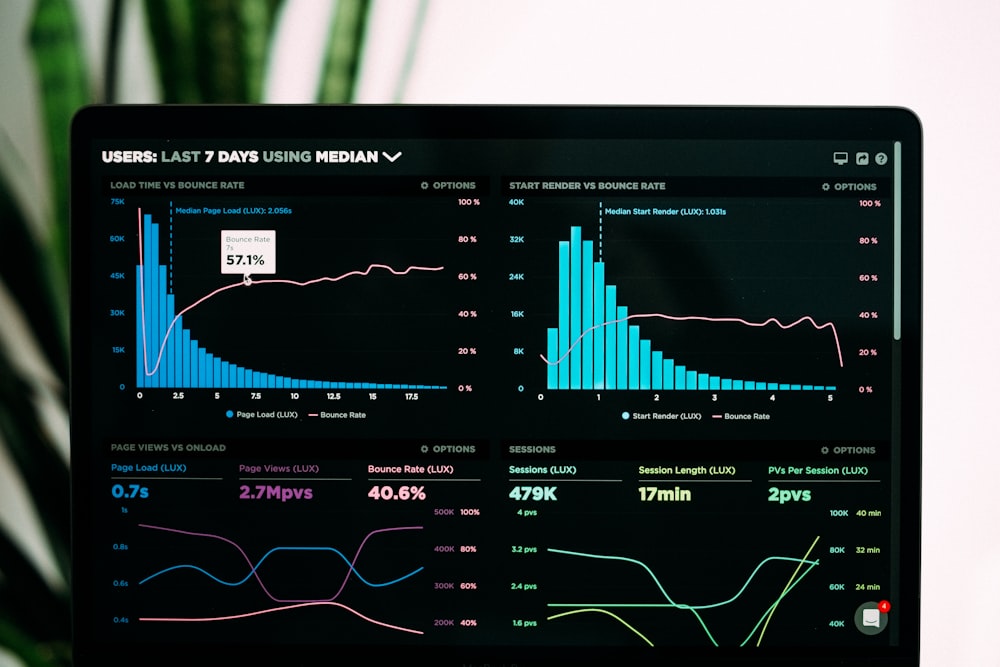
Speed is critical for AI e-commerce success. AI shopping systems generate dynamic personalized content in real time, and slow websites destroy the frictionless experience that AI automation creates. A slow page load not only frustrates visitors — it undermines the value of intelligent product recommendations.
Google's Core Web Vitals metrics are now central to both user experience quality and organic search visibility. These metrics measure Largest Contentful Paint (LCP), Interaction to Next Paint (INP), and Cumulative Layout Shift (CLS) — evaluating real-world loading performance, interaction responsiveness, and visual stability.
Meeting Google's Performance Thresholds for AI Content
Professional developers optimize AI e-commerce websites using image compression, lazy loading, CDN integration, minified JavaScript and CSS, efficient API architecture, browser caching, and server-side optimization. These techniques work together to eliminate bottlenecks that slow down AI recommendations, product rendering, and checkout flows — maintaining the fast experience that intelligent shopping requires.
Performance That Builds Trust in AI Systems
Page speed optimization improves both conversion rates and organic search performance simultaneously. When AI recommendations load instantly and checkout flows respond immediately, users are more likely to browse products, engage with intelligent suggestions, and complete purchases — making performance optimization one of the highest-ROI technical investments for AI commerce businesses in 2026.
SEO-Friendly Web Architecture for AI E-Commerce Brands
Although AI systems drive direct traffic through personalized recommendations and smart marketing, businesses still need long-term organic visibility through search engines. Relying solely on AI-driven direct traffic creates fragile growth that can be disrupted by algorithm changes or platform policy modifications.
Businesses using Shopify or WooCommerce often rely too heavily on default themes and plugins, which can create bloated code and poor indexing performance. Custom web development ensures faster rendering, better crawl efficiency, improved mobile indexing, and cleaner architecture — creating the technical foundation that supports both AI-driven and organic growth simultaneously.

SEO Architecture Elements Every AI E-Commerce Website Needs
- Semantic HTML structure enabling efficient search engine interpretation of dynamic AI product content
- Optimized metadata improving click-through rates from organic search results to product pages
- Internal linking systems distributing page authority across product pages, categories, and content
- Structured heading hierarchy organizing dynamic AI content logically for both users and crawlers
- Product schema markup enabling rich results that improve visibility and click rates in search
- Clean URL architecture creating logical product and category hierarchies that search engines reward
- Crawl-friendly navigation ensuring dynamic AI pages are indexed efficiently without wasting crawl budget
E-Commerce Integration for AI Shopify and WooCommerce Development
AI shopping works best when integrated with scalable e-commerce platforms like Shopify and WooCommerce. The right platform choice depends on AI integration complexity, scalability requirements, and long-term digital strategy — not trends or surface-level feature comparisons.

Streamlined Scalability for Intelligent E-Commerce
Shopify is highly effective for AI commerce because it offers simplified product synchronization, integrated payment processing, inventory management, AI app ecosystem, and built-in personalization tools. Custom Shopify development moves beyond default storefronts to build AI-optimized platforms designed for intelligent recommendations, high-volume campaigns, and the fast checkout experiences that modern shoppers demand.
Maximum Flexibility for Complex AI Requirements
WooCommerce, built on WordPress, offers greater flexibility for businesses needing advanced AI customization, deep SEO control, and complex product architectures. WooCommerce AI development supports custom recommendation systems, advanced filtering, flexible checkout customization, plugin scalability, and enhanced content capabilities — enabling highly personalized shopping experiences aligned with brand identity and conversion goals.
Front-End Development and Brand Identity in AI Commerce
Front-end development shapes how customers emotionally experience AI shopping systems. Smooth interactions, responsive AI interfaces, and intelligent animations create stronger engagement and perceived trustworthiness — both directly influence purchase confidence and brand loyalty in AI commerce environments.
Modern audiences respond strongly to brands that feel intelligent, reliable, and personalized. Professional web designers create brand-focused interfaces that communicate authority and build the kind of customer trust that sustains long-term AI commerce performance beyond individual campaigns.

Interactive AI Experiences That Drive Conversions
Modern AI e-commerce front-end development includes dynamic JavaScript interactions, responsive CSS frameworks, intelligent recommendation displays, real-time AI filtering, optimized mobile navigation, and API-driven content systems. These technical elements work together to create shopping experiences powered by AI that feel premium, fast, and trustworthy — converting browsing into purchases with minimal friction.
Visual Consistency That Builds Recognition
Brand-focused web design for AI commerce uses custom typography systems, cohesive color palettes, visual storytelling, consistent UI components, and strategic spacing and hierarchy. Strong branding improves trust, customer recall, and retention — ensuring that audiences recognize and return to brands they discover through AI recommendations and smart shopping experiences rather than becoming one-time buyers.
About Royal Wealth Org — Professional Web Design and Development Agency
Royal Wealth Org builds fast, custom websites for businesses, startups, and growing brands looking to improve digital performance and conversion results through intelligent design and development. Their approach combines UI/UX strategy, responsive development, SEO-friendly architecture, and performance optimization to create websites designed for measurable business growth.
Full-Spectrum AI E-Commerce Web Development
Landing page design, business website development, AI-powered e-commerce store creation, SEO optimization, website redesign services, and website maintenance — all engineered around specific performance goals, AI integration requirements, and audience behavior patterns. Additional services include branding solutions, email marketing setup, and Google My Business optimization for growing brands building long-term digital presence.
Ownership, Transparency, and Long-Term Support
Every Royal Wealth Org project is developed with performance-focused architecture, mobile responsiveness, AI readiness, and business scalability in mind. Clients receive free revisions, a 30-day post-launch warranty, and full ownership handover — ensuring businesses maintain complete control over their digital infrastructure without dependency on restrictive platforms or accumulating hidden subscription costs.
Why Businesses Prefer Structured Agencies Over DIY Builders
Many businesses initially attempt to build AI commerce websites using drag-and-drop builders or cheap templates. While these tools appear affordable upfront, they often create serious long-term limitations that become increasingly expensive to resolve as AI requirements and competitive pressures grow.

Short-Term Convenience, Long-Term Constraints
DIY platforms and pre-made templates typically restrict AI customization, reduce performance optimization capabilities, and weaken brand differentiation. Modern audiences expect intelligent, premium-looking interfaces. Generic designs with limited AI flexibility, slower loading speeds, weak SEO architecture, and scalability restrictions consistently reduce conversion performance and create invisible performance ceilings that AI-focused competitors exploit.
Coordinated Expertise Across Every Discipline
Structured web design agencies provide dedicated UI/UX planning, technical SEO optimization, AI architecture design, performance-focused development, conversion testing, and long-term support. Businesses serious about scaling AI commerce typically benefit more from strategic agency partnerships — which coordinate expertise across UI/UX, front-end development, SEO, AI optimization, and branding — than from fragmented freelance management.
Summary
AI shopping and AI-powered e-commerce are transforming how businesses attract, engage, and convert customers online. Success now depends on more than adding AI features — businesses need responsive web design, intelligent UI/UX systems, fast-loading infrastructure, SEO-friendly architecture, and scalable e-commerce integration that support personalization and automation. Brands that invest in professional web development create stronger customer experiences, higher conversion rates, and more sustainable digital growth across every channel. For businesses looking to build high-performing AI commerce systems, Royal Wealth Org provides custom web design solutions tailored for scalability, intelligent automation, branding, and long-term business success — backed by transparent pricing, free revisions, and a 30-day post-launch warranty.
Frequently Asked Questions
Common questions about AI shopping web design, AI e-commerce conversion optimization, mobile-first AI development, AI landing page strategy, Core Web Vitals, Shopify vs WooCommerce AI integration, SEO architecture for intelligent commerce, and professional web design agencies for growing AI e-commerce brands
Ready to Build a High-Converting AI E-Commerce Website Engineered for Intelligent Personalization, Mobile Performance, SEO Visibility, and Measurable Business Growth?
Royal Wealth Org builds custom, AI-ready websites combining performance-driven front-end development, Core Web Vitals optimization, mobile-first architecture, technical SEO structure, intelligent personalization integration, and brand-aligned UI/UX design. Book a free 30-minute call to discuss your AI e-commerce project today.
0 Comments