
AI Web Design Tools, AI Website Builders, and the Future of Conversion-Focused Digital Experiences

Artificial intelligence is rapidly reshaping the web design industry. Businesses no longer rely solely on traditional development cycles that require months of planning, coding, revisions, and deployment. Modern AI web design tools, AI website generators, and no-code AI website builder platforms are accelerating how startups, brands, and enterprises launch digital experiences — compressing what once required entire development teams into automated workflows that produce functional structures within minutes.
However, speed alone does not create a high-performing website. Many AI-generated websites still struggle with user experience, branding consistency, technical SEO structure, and conversion optimization. Businesses quickly realize that automated outputs need strategic refinement, custom front-end development, and performance-focused architecture to compete effectively in modern digital markets.
This is where professional web design agencies become essential. Royal Wealth Org combines modern AI-powered workflows with advanced UI/UX strategy, responsive web design, front-end development, and SEO-focused architecture to build scalable websites that support real business growth — moving clients beyond generic generation into purpose-built digital platforms.
"Automated design can accelerate production — but only strategic UI/UX planning, responsive architecture, and conversion-focused development transform AI outputs into high-performing business platforms."
The Evolution of AI Website Builders and No-Code Web Design
The demand for AI website builder platforms has grown because businesses want faster deployment, lower development costs, and simplified website management. A modern AI website creator can automatically generate layouts, typography systems, responsive sections, navigation structures, and visual styling within minutes — reducing barriers that previously required months of custom development work.
Many startups now rely on a free AI website builder or AI business website generator to quickly establish an online presence before scaling into custom development. These tools reduce technical barriers for entrepreneurs who lack coding experience while still enabling rapid digital deployment across competitive markets.
The rise of no-code AI website builder platforms has also transformed how small businesses approach web development. Instead of manually coding every page using HTML, CSS, and JavaScript, users can visually assemble websites through drag-and-drop systems powered by AI design automation — making professional-looking digital presence accessible to a much wider range of business owners.
What Generic AI Website Templates Often Lack
- Conversion-focused design structure engineered around audience behavior and business goals
- Clean SEO architecture enabling efficient crawling, indexing, and competitive search visibility
- Advanced UI hierarchy guiding visitors naturally toward conversion actions
- Custom branding flexibility that differentiates businesses from template-generated visual ecosystems
- Scalable front-end systems capable of supporting integrations, expansions, and long-term growth
- Performance optimization ensuring fast loading speeds and strong Core Web Vitals scores
- Advanced mobile responsiveness maintaining layout integrity across every device and viewport
UI/UX Design Principles Behind High-Performing AI-Generated Websites
A visually modern interface does not automatically create business results. Strong AI UI UX design focuses on user psychology, navigation behavior, interaction flow, accessibility, and conversion architecture — disciplines that require intentional human strategy beyond what automated systems can currently provide at a competitive level.
Many AI-generated websites produce aesthetically pleasing layouts, but automated systems rarely understand the deeper behavioral patterns that influence user engagement. Professional web design requires intentional decisions about visual hierarchy, spacing systems, interaction points, typography consistency, and conversion pathways that are uniquely aligned to a specific audience and business model.

Design That Guides Decisions
Businesses using AI-generated websites often discover that visitors abandon pages when navigation becomes confusing or when call-to-action elements lack clarity. Professional agencies optimize UI systems through wireframing, prototyping, heatmap analysis, and interaction testing — transforming generic sites into conversion-focused platforms engineered around specific business goals and audience behavior patterns.
Visual Storytelling Beyond Templates
Businesses using an AI portfolio website builder or AI landing page builder need visual storytelling, trust-building design, and conversion-focused layout structures that extend far beyond automated outputs. Strategic UI systems ensure portfolios and landing pages communicate expertise, credibility, and professional authority rather than blending into generic template aesthetics.
- Improved user retention keeping visitors engaged longer with intentionally structured navigation and content flow
- Higher engagement duration driven by visual hierarchy, spacing systems, and interaction clarity
- Stronger lead generation supported by strategic CTA placement and conversion pathway design
- Measurably higher conversion rates achieved through purposeful layout decisions and behavioral optimization
- Superior mobile usability ensuring consistent brand experience across smartphones and tablets
- Elevated brand perception communicating professionalism, authority, and trust to new visitors
- Accessibility optimization ensuring usability for all visitors including those using assistive technologies
Responsive Web Design and Mobile-First Architecture
Responsive architecture is now one of the most important components of modern web development. Search engines prioritize mobile usability, and consumers increasingly browse through smartphones and tablets instead of desktop devices. An AI responsive website builder may automatically resize layouts, but true responsive web design requires far more than visual scaling.

Built for How Customers Actually Browse
Professional developers create adaptive experiences accounting for touch interactions, mobile navigation patterns, responsive typography, fluid grid systems, flexible image rendering, cross-browser compatibility, and device-specific performance. Mobile-first development ensures layouts, buttons, and navigation elements are touch-friendly, readable, and fast-loading before scaling up for larger screens.
Generated Code Needs Professional Refinement
Businesses searching for AI front-end development or HTML React AI code export tools can generate initial code structures quickly. However, professional refinement remains necessary to ensure clean architecture, optimized rendering behavior, component organization, accessibility compliance, and long-term scalability that automated systems alone rarely achieve.
Professional Front-End Technologies Used in Scalable Web Development
- HTML5 semantic markup communicating page content clearly to search engines and assistive technologies
- CSS Grid and Flexbox enabling flexible, adaptive layouts across all viewport sizes and orientations
- JavaScript optimization reducing render-blocking delays and improving interaction response times
- React component systems enabling dynamic interfaces, reusable elements, and scalable front-end architecture
- Lazy loading delivering above-the-fold content first while deferring below-fold assets efficiently
- Asset compression maintaining visual quality while dramatically reducing file sizes and load times
- CDN integration distributing content across global server networks for consistent international performance
- Advanced caching strategies reducing repeated load times for returning website visitors significantly
AI eCommerce Website Builders and Conversion Rate Optimization
The growth of AI eCommerce website builder platforms — including AI Shopify website builder systems and AI WooCommerce website builder tools — has made online selling significantly more accessible. Businesses can now generate storefronts, product pages, and checkout systems rapidly using automated AI workflows. However, eCommerce success depends on far more than simply displaying products.
Conversion Rate Optimization (CRO) plays a major role in online sales performance. Small changes in interface behavior can dramatically affect customer engagement and revenue generation. Professional web designers analyze cart abandonment rates, CTA visibility, scroll behavior, product interaction flow, navigation simplicity, checkout friction, and trust-building UI elements that automated platforms consistently overlook.

Pages That Convert Without Pressure
Optimized product pages communicate value through strong imagery, persuasive copy, social proof elements, and strategic visual hierarchy — reducing purchase hesitation and improving add-to-cart rates organically. Professional eCommerce design treats every product page as a standalone conversion opportunity with specific behavioral goals aligned to customer psychology.
Remove Friction, Recover Revenue
Simplified checkout flows with secure payment integration, progress indicators, and minimal form fields dramatically reduce cart abandonment rates. WooCommerce, Shopify, and custom CMS platforms each require different architectural approaches depending on scalability requirements, third-party integrations, and specific performance objectives.
- Strategic product page design communicating value, trust, and urgency without overwhelming visitors
- Optimized checkout flows minimizing steps, distractions, and friction throughout the purchase journey
- Trust-building UI components including reviews, guarantees, and security badges reducing purchase hesitation
- Mobile-first cart systems designed around touch behavior and smartphone browsing patterns
- Structured category architecture helping customers discover relevant products quickly and intuitively
- Fast-loading product imagery delivering visual quality without sacrificing page performance scores
- SEO-optimized product pages enabling organic discovery across competitive commerce keyword categories
SEO-Friendly Web Architecture and Core Web Vitals Optimization
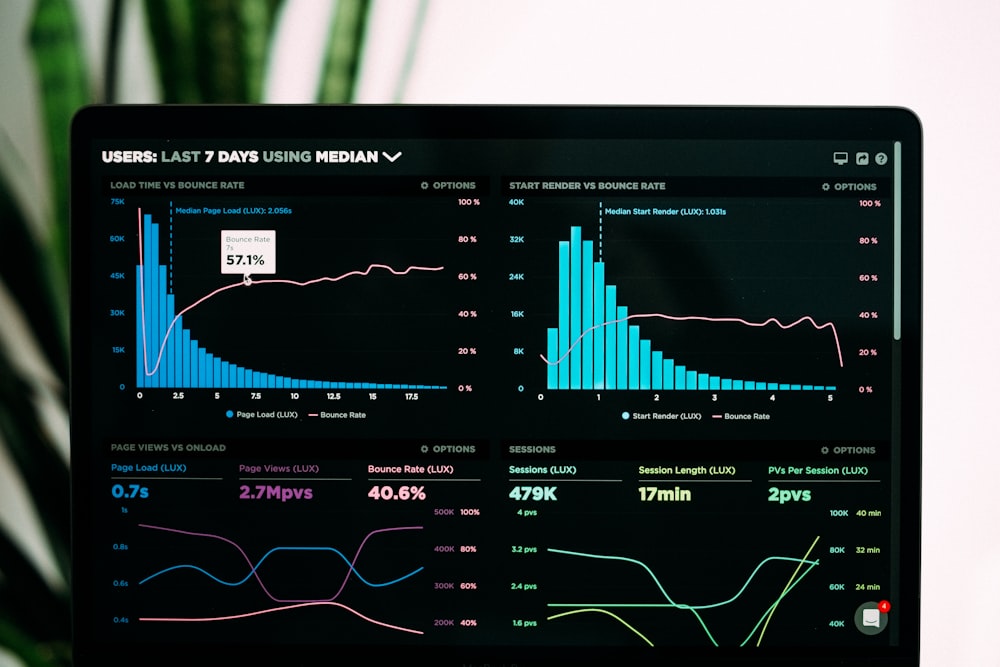
A visually attractive website has limited value if users cannot find it through search engines. Many AI web generators focus heavily on design speed but overlook critical SEO and performance considerations — creating poor semantic heading structures, unnecessary code bloat, slow rendering speeds, and weak metadata systems that negatively impact organic rankings.
Performance Metrics That Influence Rankings
Core Web Vitals — Largest Contentful Paint (LCP), Interaction to Next Paint (INP), and Cumulative Layout Shift (CLS) — now serve as measurable indicators of user experience quality and directly influence search engine ranking decisions. Even a one-second delay in loading speed can reduce engagement and significantly increase bounce rates across all device types.
Finding and Fixing What AI Misses
Professional web agencies conduct performance audits, speed optimization, asset minimization, script deferral, mobile performance testing, and technical SEO analysis to identify and resolve structural weaknesses that AI-generated websites commonly introduce — weaknesses that compound into significant ranking disadvantages over time if left unaddressed.
WordPress AI Site Builders and Modern CMS Flexibility
CMS platforms remain central to modern web development because they simplify content management, scalability, and long-term maintenance. WordPress AI site builder systems have become especially popular due to their flexibility, plugin ecosystem, and SEO capabilities — allowing businesses to integrate AI-generated workflows while still maintaining deep customization options unavailable in standard no-code platforms.

Platform Selection Shapes Long-Term Scalability
Professional agencies use CMS platforms strategically based on project requirements — WordPress for content-driven business websites, Shopify for scalable eCommerce, WooCommerce for customizable stores, headless CMS systems for advanced scalability, and React-based architectures for dynamic interfaces. Platform selection directly influences performance, maintenance complexity, and growth capacity.
Structure That Prevents Future Problems
Poorly configured CMS systems create performance bottlenecks, security vulnerabilities, and maintenance complications. Professional development teams ensure clean code structure, optimized plugin usage, security hardening, SEO configuration, responsive architecture, performance optimization, and scalable design systems — creating a stable digital foundation for long-term business expansion.
About Royal Wealth Org — Professional Web Design and Development Agency
Royal Wealth Org is a professional web design and development agency focused on building fast, custom websites for businesses, startups, entrepreneurs, and growing brands. Unlike agencies that rely on generic themes or pre-made layouts, Royal Wealth Org develops fully customized websites designed around business goals, user experience strategy, and conversion-focused architecture.
Full-Spectrum Web Development Solutions
Landing page development, business website design, eCommerce website creation, SEO optimization, website redesign, website maintenance, branding systems, email marketing integration, and Google My Business setup — all engineered around specific business goals and audience behavior patterns for brands across global markets.
Transparency, Ownership, and Long-Term Support
Royal Wealth Org's process includes free revisions, a 30-day post-launch warranty, full ownership handover, and transparent communication throughout development — giving businesses complete control over their digital platform without restrictive licensing, platform lock-in, or ongoing hidden costs that accumulate over time.
Why Businesses Prefer Professional Agencies Over DIY AI Website Builders
DIY website builders and cheap templates appear convenient initially, but businesses often encounter significant limitations when scaling operations or improving conversion performance. Even the best AI website builder platforms still depend heavily on standardized systems designed for broad audiences rather than specialized business objectives.

Template Convenience Creates Long-Term Problems
Generic branding, poor scalability, bloated code, limited customization, weak SEO structures, slower performance, and reduced uniqueness are consistent challenges businesses encounter when DIY systems fail to keep pace with evolving requirements — challenges that grow increasingly expensive to resolve without professional intervention and architectural restructuring.
AI Can Accelerate — Human Expertise Must Refine
Professional agencies bridge the gap between automation and strategic implementation. AI can accelerate workflows, but human expertise remains essential for refining user experience, technical structure, branding consistency, and conversion systems — ensuring websites become measurable business growth platforms rather than generic digital placeholders that fail to generate leads.
What Structured Professional Agencies Deliver That DIY Builders Cannot
- Coordinated UI/UX design and front-end development ensuring consistent brand experience throughout
- SEO architecture and performance engineering built into the foundation rather than added afterward
- Branding strategy and visual identity systems creating differentiated digital presence
- Conversion optimization informed by behavioral data, heatmaps, and industry-specific insights
- Clean, maintainable codebase reducing technical debt and supporting long-term scalability
- CMS configuration and plugin management ensuring security, speed, and reliability over time
- Ongoing maintenance, monitoring, and performance refinement protecting digital investment long-term
Summary
AI web design tools, AI website builders, no-code development systems, and AI-generated websites are transforming how businesses launch digital experiences. However, automated design alone cannot replace strategic UI/UX planning, responsive architecture, SEO-focused development, and conversion optimization. Businesses that combine AI-powered workflows with professional web design expertise gain stronger branding, better user experience, improved scalability, and higher-performing digital platforms. Royal Wealth Org delivers this balance by building fast, custom websites engineered for growth, performance, and long-term business success — backed by transparent pricing, free revisions, and a 30-day post-launch warranty.
Frequently Asked Questions
Common questions about AI web design tools, AI website builders, AI website creators, no-code platforms, AI eCommerce website builders, WordPress AI site builders, Core Web Vitals, and professional web development for growing businesses
Ready to Build a High-Converting Website That Combines AI-Powered Workflows With Professional Strategy, Responsive Architecture, and Scalable Front-End Development?
Royal Wealth Org builds custom, conversion-focused websites combining responsive UI/UX design, mobile-first architecture, Core Web Vitals optimization, SEO-friendly structure, and clean React front-end development. Book a free 30-minute call to discuss your project today.
0 Comments