
Animation in Web Design and UI/UX: How Motion Design Improves User Engagement, Branding, and Website Conversions
Static websites struggle to capture user attention in competitive digital markets. Modern users expect interaction, movement, responsiveness, and visual feedback throughout their browsing experience. Animation has become one of the most influential tools in modern web design because it transforms passive interfaces into engaging digital experiences that guide user behavior, strengthen branding, and improve conversions.
From CSS animation and Lottie animation to 3D animation systems and interactive UI transitions, motion design now plays a major role in front-end development, responsive web design, and conversion-focused website strategy. Businesses using animation strategically create stronger emotional engagement, better navigation clarity, and higher retention rates compared to static, outdated interfaces.
Animation is no longer limited to entertainment industries like animation movies, paper animation, or 3D animation studios. Brands across e-commerce, SaaS, startups, and digital services increasingly rely on web animation to improve user experience and conversion performance. Royal Wealth Org helps businesses build high-performance websites that integrate modern animation systems, UI/UX strategy, front-end engineering, and responsive design into scalable digital experiences optimized for growth.
"Animation transforms passive interfaces into engaging digital experiences — guiding user behavior, strengthening brand identity, and turning interactions into conversions."
Why Animation Matters in Modern Web Design
Animation in web design is not simply decorative. When used strategically, it improves usability, visual hierarchy, and interaction clarity while helping users navigate interfaces naturally. Many poorly designed websites feel disconnected because there is no feedback between user actions and interface responses. Motion design solves this by creating visual continuity between interactions.
What Professional Animation Systems Improve
- User engagement and session duration across all devices
- Navigation clarity and interaction feedback quality
- CTA visibility and conversion optimization
- Brand identity and perceived professionalism
- Emotional connections between users and digital products
- Overall usability and interface responsiveness
Web animation also creates stronger emotional connections with users. Businesses using animated interfaces often appear more modern, trustworthy, and technically advanced — directly influencing how potential customers perceive brand credibility and product quality.
Motion Design and User Psychology
Human attention is naturally drawn toward movement. Subtle animation techniques guide users toward call-to-action buttons, important content sections, forms, product highlights, and interactive features — improving user flow without overwhelming the interface. Excessive motion, however, can damage usability. Professional UI/UX design balances animation carefully to maintain performance and accessibility across all user groups.
UI/UX Design Principles Behind Effective Website Animation
Animation works best when integrated into a structured UI/UX strategy. Random motion effects rarely improve usability. Effective motion design supports user interaction and visual communication by reinforcing logical information hierarchies and guiding users through natural content journeys.
Microinteractions and User Feedback
Microinteractions are small animated responses triggered by user behavior. Examples include hover effects, button transitions, loading indicators, form validation animations, and navigation highlights. These interactions improve interface responsiveness while making websites feel more intuitive — reducing friction and encouraging continued engagement throughout the user journey.
UI Hierarchy Through Motion
Animation can strengthen UI hierarchy by directing user attention toward critical elements. Common motion-based hierarchy techniques include fade-in content reveals, scroll-triggered transitions, CTA emphasis animations, and interactive icon movement. When properly implemented, animation supports conversion optimization without distracting users from core actions.
Inclusive Animation Standards
Professional motion design must consider accessibility standards. Some users are sensitive to excessive movement or parallax effects. Modern UI systems include reduced motion preferences, controlled animation timing, simplified transitions, and performance-aware rendering for broader audience compatibility.
Usability Over Visual Spectacle
Transition clarity, interaction consistency, visual hierarchy reinforcement, and navigation guidance — not decorative effects. Animation that serves a functional purpose consistently outperforms motion added purely for aesthetic reasons.
Front-End Development for Web Animation Systems
Animation-heavy websites require strong front-end engineering to maintain speed, responsiveness, and performance stability. Modern front-end animation development commonly uses CSS animation, JavaScript animation libraries, SVG animation, Lottie animation, WebGL, and GSAP frameworks — each serving different performance and interaction requirements.
CSS Animation and Lightweight UI Motion
CSS animation remains one of the most efficient ways to create responsive interface transitions. Common uses include hover states, navigation effects, loading transitions, fade animations, and interactive feedback systems. Because CSS animations are lightweight, they generally perform better on mobile devices and contribute to healthier Core Web Vitals scores.
JavaScript and Interactive Motion Design
JavaScript-powered animation enables dynamic interactions, scroll-based animations, advanced transitions, interactive storytelling, and real-time interface reactions. However, poorly optimized JavaScript animation can negatively affect page speed and Core Web Vitals — making disciplined engineering essential for maintaining performance alongside visual ambition.
- CSS animation for lightweight hover states and UI transitions
- Lottie animation for scalable, performance-optimized motion graphics
- GSAP frameworks for advanced scroll-based and timeline animations
- SVG animation for crisp, resolution-independent interface graphics
- WebGL for immersive 3D animation and interactive visual experiences
- JavaScript interactions for dynamic, real-time interface responsiveness
Website Performance Optimization and Animation Efficiency
Animation can improve engagement, but poorly implemented motion systems often damage performance. Businesses must balance aesthetics with technical optimization. Core Web Vitals evaluate loading speed, visual stability, and interaction responsiveness — all of which are directly affected by animation implementation quality.
Optimization Without Compromise
Hardware acceleration, lazy loading, compressed assets, efficient rendering pipelines, and minimal JavaScript blocking allow motion systems to remain visually rich without damaging loading speed, layout stability, or mobile interaction performance.
Smooth Across All Devices
Mobile users browse under limited bandwidth conditions. Animation systems should prioritize lightweight assets, reduced motion complexity, touch-friendly interactions, and responsive rendering to maintain usability across all devices and network environments.
SEO-Friendly Animation and Responsive Web Architecture
Animation directly influences user engagement metrics, which can indirectly affect search visibility. Websites with strong interaction systems often experience longer session durations, lower bounce rates, higher interaction rates, and improved usability signals — all of which contribute positively to organic search performance over time.
Animated Websites Still Require Strong SEO Architecture
- Semantic HTML structure for crawlability and accessibility
- Clean heading hierarchy and optimized metadata
- Responsive layouts with structured code and lightweight rendering
- Fast loading architecture that supports Core Web Vitals compliance
- Schema markup for enhanced search result appearances
- Internal linking systems that support content discoverability
Landing Page Animation for Conversion Optimization
Landing pages benefit significantly from strategic motion design. Effective landing page animation improves CTA visibility, product focus, user flow, visual storytelling, and engagement retention. Motion-based CRO techniques guide users toward conversion actions more naturally than static layouts — directly improving lead generation and sales performance for businesses investing in paid and organic traffic.
Brand Identity Through Motion Design
Animation strengthens digital branding by creating memorable interactions and visual consistency. Brands often use motion systems for logo animation, product transitions, interactive navigation, loading experiences, and UI consistency. Strong motion branding improves recognition and perceived professionalism — creating differentiated digital experiences that competitors using static templates cannot replicate.
E-Commerce Animation Strategy for Shopify and WooCommerce
E-commerce websites increasingly use animation to improve product engagement and purchasing experiences. Modern e-commerce animation systems include product hover transitions, interactive galleries, animated carts, smooth checkout interactions, and scroll-triggered product reveals — each designed to maintain user momentum throughout the purchasing journey.
Mobile Commerce Performance
Shopify stores frequently use Lottie animations, product sliders, animated CTAs, and responsive motion systems. These features improve product visibility, user engagement, and mobile conversion performance — directly impacting revenue for e-commerce businesses.
Custom Branded Experiences
WooCommerce allows highly customized animation systems through advanced front-end customization, interactive product layouts, dynamic checkout experiences, and motion-enhanced landing pages — offering greater creative flexibility for branded animation experiences.
About Royal Wealth Org – Custom Web Design and Motion Design Agency
Royal Wealth Org is a professional web design and development agency specializing in responsive web design, UI/UX strategy, front-end engineering, SEO optimization, and conversion-focused digital experiences. The agency builds fast, fully custom websites for businesses, startups, and brands without relying on generic templates.
Their approach combines modern animation systems, responsive layouts, performance optimization, and scalable development practices to create engaging digital platforms that support measurable business growth.
What They Build
Landing page development, business websites, e-commerce stores, SEO optimization, website redesign, and ongoing website maintenance for businesses and brands worldwide.
Growth & Brand Support
Branding systems, email marketing integration, and Google My Business setup — helping businesses strengthen their overall digital presence and attract more customers online.
Why Businesses Should Avoid Cheap Animated Templates and DIY Builders
Many businesses attempt to implement animation through low-cost templates or DIY website builders. While these solutions appear convenient initially, they often create serious performance and branding limitations that restrict long-term scalability and digital growth.
Performance and Branding Damage
Bloated scripts, poor optimization, generic interactions, weak responsiveness, and inconsistent branding — all of which negatively affect both performance metrics and the user experience that animation is meant to enhance.
Scalable Motion Systems
Strategic motion planning, UI/UX integration, technical optimization, responsive animation architecture, conversion-focused execution, and ongoing support — creating well-structured animation systems that improve usability while maintaining performance.
DIY Platform Animation Limitations That Hurt Business Growth
- Restricted advanced motion customization and interaction control
- Poor performance optimization for animated assets
- Limited responsive animation control across screen sizes
- Weak SEO flexibility and front-end scalability constraints
- Generic interactions that fail to differentiate brand identity
Technical Web Design Insights for Motion-Driven Websites
Businesses investing in animated websites should understand the technical systems supporting modern motion design. Strong technical infrastructure determines whether animation enhances or damages the overall user experience.
Wireframing and Motion Prototyping
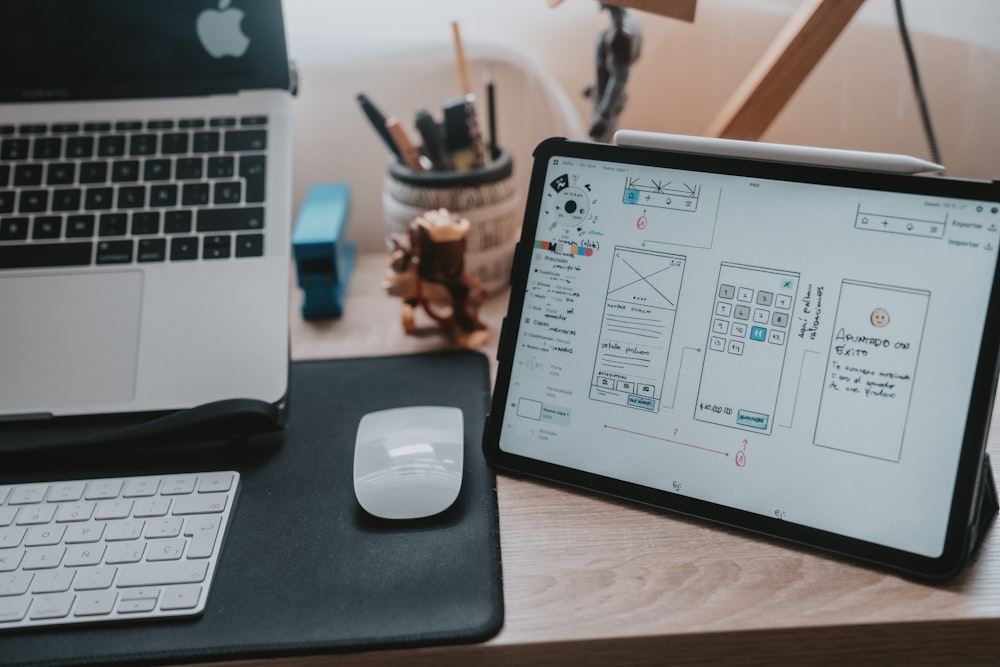
Professional animation workflows begin with wireframes, interaction mapping, motion prototypes, and user flow planning. This structured pre-development process ensures animation supports usability rather than disrupting it — and prevents expensive post-launch corrections caused by motion design that conflicts with user behavior patterns.
Clean Code Structure and CMS Scalability
Clean development architecture improves performance, scalability, SEO compatibility, animation efficiency, and future maintenance. Poorly structured codebases eventually reduce stability and increase operational costs. Platforms such as WordPress and Shopify support advanced animation integration while maintaining content management flexibility, SEO optimization, and responsive architecture.
- Hardware acceleration for smooth, GPU-optimized animation rendering
- Asset optimization and lazy loading for fast animated content delivery
- Stable layout architecture to prevent Cumulative Layout Shift (CLS)
- Efficient JavaScript execution for fast Interaction to Next Paint (INP)
- Semantic HTML and crawlable structure beneath animation layers
- Wireframing and motion prototyping to validate interaction flows early
Summary
Animation has become a core component of modern web design because it improves engagement, strengthens branding, enhances usability, and supports conversion optimization. Strategic motion design helps businesses create interactive digital experiences that guide users naturally while maintaining strong performance and responsive functionality. From CSS animation and Lottie systems to responsive UI transitions and front-end motion engineering, animation now plays a critical role in scalable digital branding. Royal Wealth Org helps businesses build fast, custom, animation-driven websites optimized for user experience, SEO performance, responsive design, and long-term digital growth.
Frequently Asked Questions
Common questions about animation in web design, motion design strategy, UI/UX, and performance optimization
Ready to Build an Animated, High-Performance Website That Engages Visitors and Converts Them Into Customers?
Royal Wealth Org builds custom, motion-driven websites combining strategic animation systems, responsive UI/UX design, performance optimization, and SEO-ready architecture. Book a free 30-minute call to discuss your project today.
0 Comments