
Layout Design, UI Structure, and Responsive Web Experiences: Building Websites That Convert and Scale
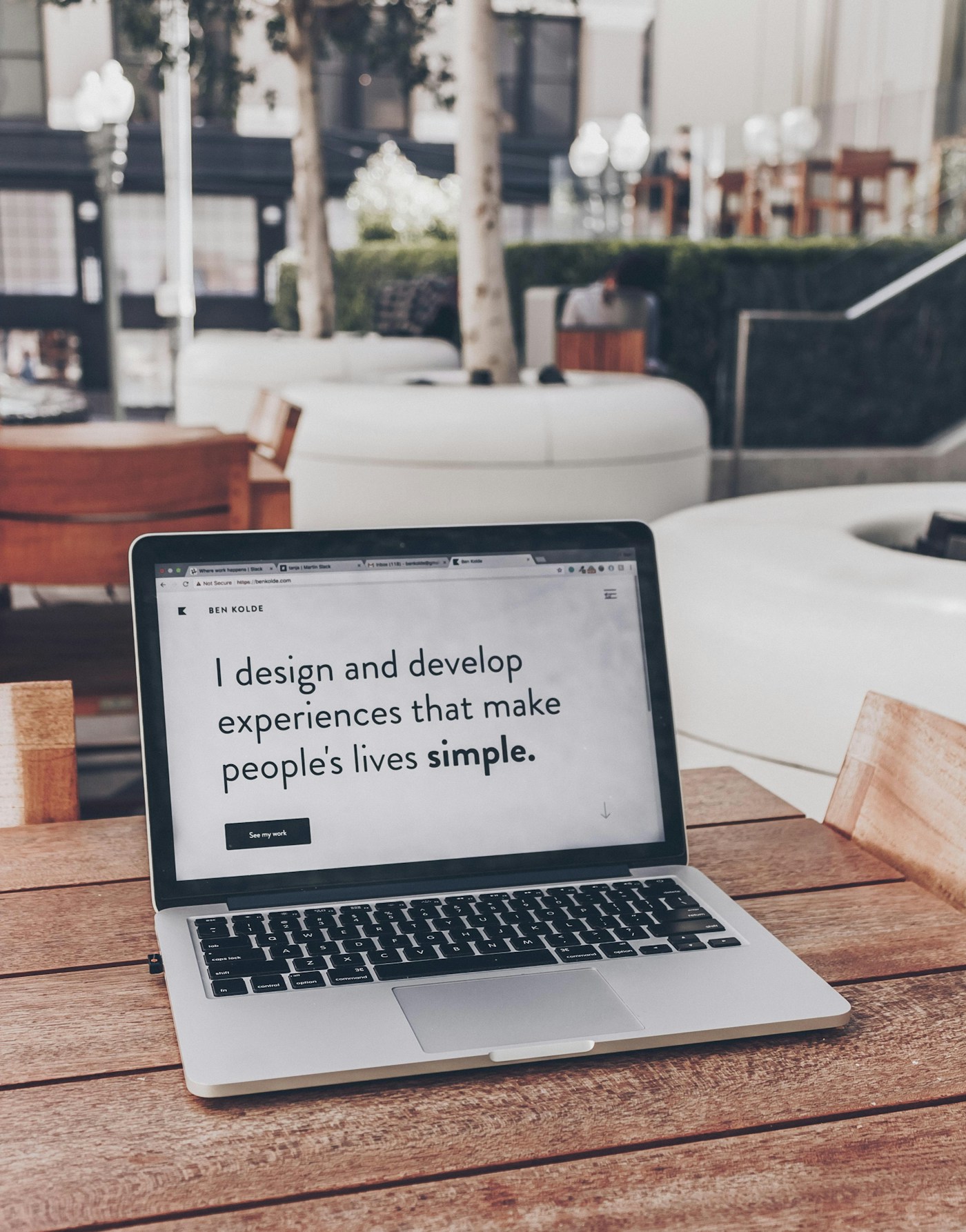
A website layout is far more than the placement of images, menus, and text blocks. The structure of a digital interface directly impacts user behavior, engagement, conversion rates, and brand perception. Businesses investing in strategic layout design are not simply improving aesthetics — they are improving customer journeys, usability, retention, and long-term scalability. Poor layouts create friction. Visitors leave when navigation feels confusing, mobile responsiveness breaks, content hierarchy lacks clarity, or landing pages overwhelm users with cluttered interfaces.
For modern businesses, website layout strategy influences everything from SEO visibility to lead generation efficiency. A well-structured interface guides visitors naturally toward action while reinforcing brand authority. This is where experienced agencies like Royal Wealth Org help businesses transform outdated websites into high-performing digital assets designed for growth.
"A website layout is not just where things are placed — it is a strategic system that determines whether visitors engage, trust your brand, and ultimately convert into customers."
Why Layout Design Is the Foundation of User Experience
Layout meaning in web design extends beyond visual arrangement. It refers to the strategic organization of interface components that influence how users interact with digital products. Effective UI hierarchy ensures visitors immediately understand where to focus, what action to take, and how to navigate through content efficiently.
Professional layout systems rely on spacing consistency, grid structures, visual balance, typography hierarchy, and interaction flow. A poorly designed website forces users to think too much. A professionally structured layout removes friction and creates intuitive navigation pathways. Businesses often underestimate how significantly layout architecture impacts customer trust — users judge website credibility within seconds.
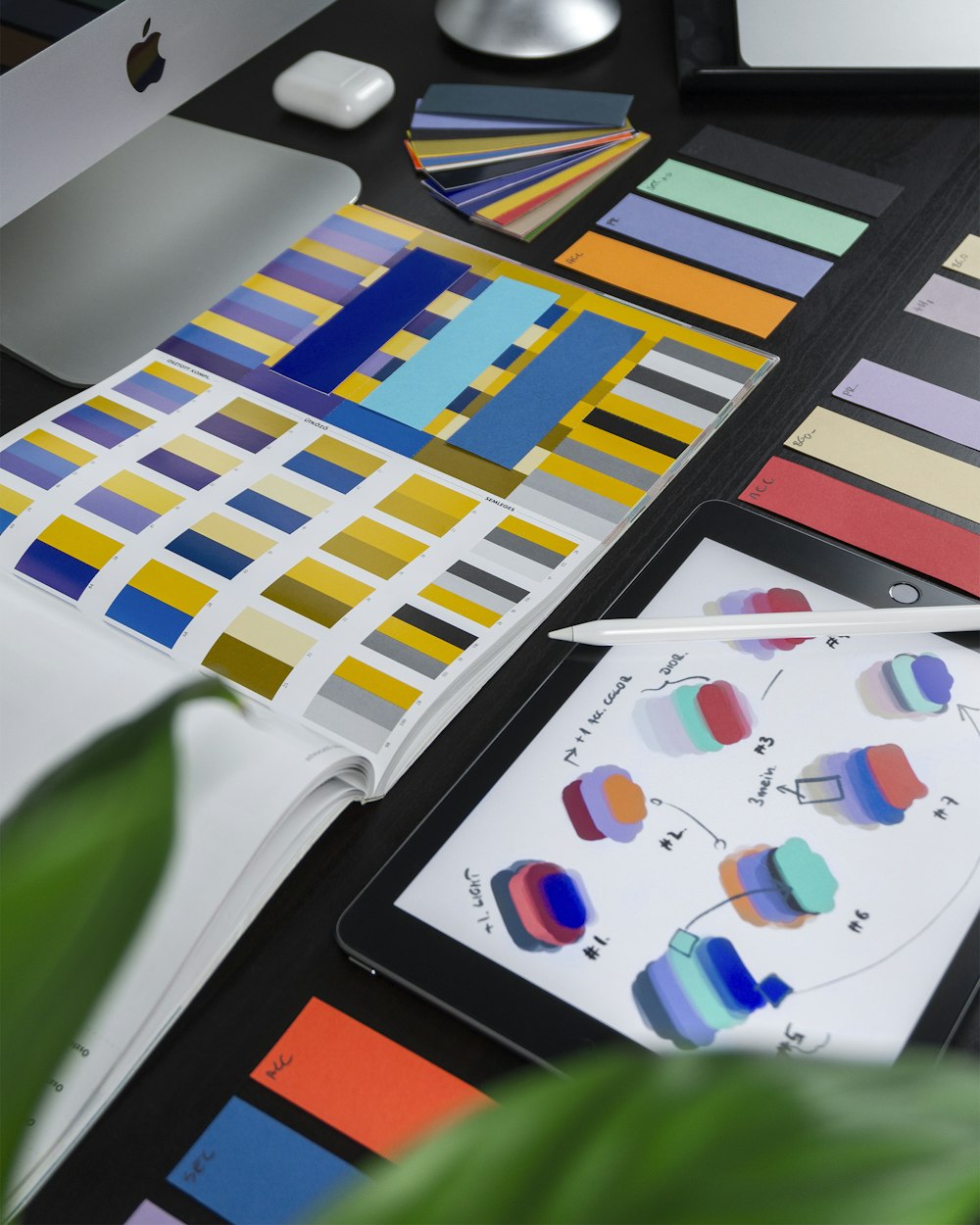
Core UI/UX Layout Principles That Directly Impact Performance
- Clear visual hierarchy guiding users toward key conversion actions
- White space optimization improving readability and cognitive clarity
- Grid-based responsive systems for consistent cross-device structure
- Behavioral design patterns aligned with user intent and journey flow
- Accessibility-focused structures supporting broader usability and SEO
- Conversion-oriented content flow reducing friction at every stage
- Interactive call-to-action positioning aligned with user behavior data
Responsive Web Design and Mobile-First Layout Strategy
Responsive web design ensures websites automatically adapt to different screen sizes and devices. Modern users browse through mobile devices more frequently than desktop computers, making mobile-first layout strategy a critical business requirement rather than an optional enhancement.
Responsive frameworks use flexible grids, adaptive images, scalable typography, and media queries to maintain consistency across devices. Businesses relying on outdated fixed-width layouts often experience high bounce rates, reduced engagement, poor mobile usability, and lower search visibility.

- HTML5 semantic structure for accessibility and SEO indexing
- CSS Flexbox and Grid for adaptive, responsive layout systems
- JavaScript interaction handling for dynamic responsive behavior
- Responsive image optimization for consistent cross-device quality
- Dynamic viewport scaling for ultra-wide and compact screen support
- Progressive enhancement methods ensuring baseline functionality across devices
UI/UX Layout Principles That Improve Conversions
A successful website layout is not designed around aesthetics alone. It is built around user behavior and conversion psychology. Every interface element should support a measurable objective — whether generating leads, increasing sales, booking appointments, or improving engagement. Businesses that ignore UX-focused layout planning often experience lower engagement despite investing heavily in advertising campaigns.
Clear Visual Hierarchy
Users scan websites rather than reading line by line. Strategic typography sizing, section spacing, contrast balance, and directional flow help guide attention toward key actions. A well-executed visual hierarchy ensures the most important content is seen first and call-to-action elements are never missed.
Strategic CTA Placement
Call-to-action buttons must appear naturally throughout the user journey. Poor placement reduces conversions even when the product or service is valuable. Effective conversion rate optimization relies heavily on testing CTA positioning across different layout structures.
Content Segmentation
Breaking information into readable sections improves comprehension and retention. Overwhelming layouts create cognitive fatigue and reduce engagement. Professional agencies use wireframing and prototyping to validate content segmentation before development begins, minimizing usability problems during final deployment.
Elements That Drive Conversions
Clear visual hierarchy, strong headline structures, strategic CTA placement, simplified navigation, social proof integration, fast-loading media, and mobile-optimized layouts — each element working together to guide users toward conversion decisions.
Validate Before You Build
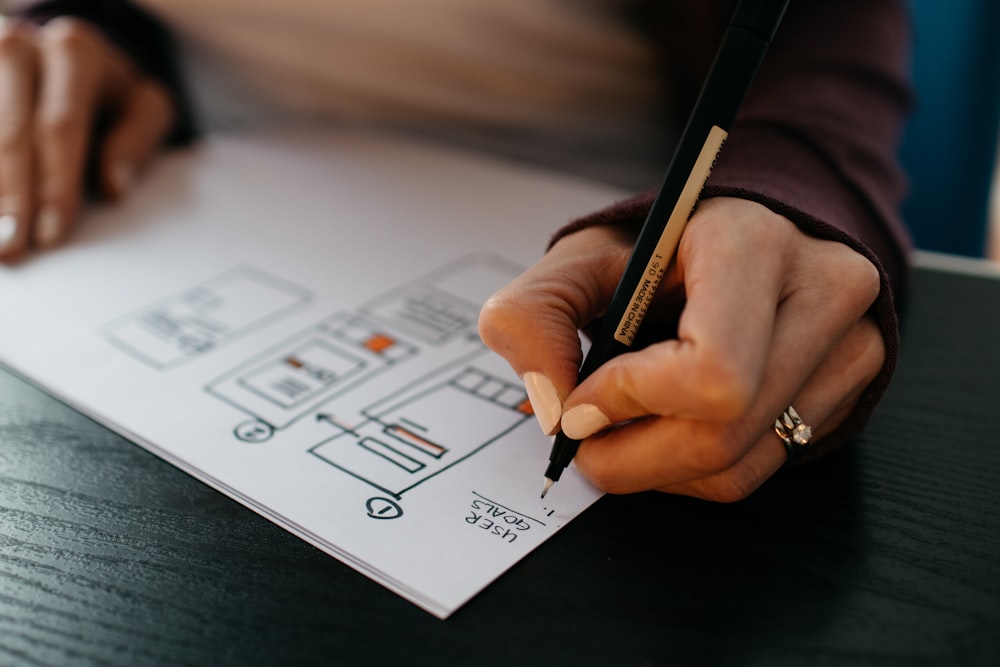
Before development begins, professional agencies create wireframes and interactive prototypes to test user flow and layout behavior. This process minimizes usability problems and reduces costly redesign cycles during final deployment stages.
Website Performance Optimization and Clean Front-End Architecture
Layout design directly affects website speed and technical performance. Heavy design structures, unoptimized assets, and inefficient code negatively impact loading times, user experience, and search rankings. A visually attractive website that loads slowly still performs poorly from both SEO and conversion rate optimization perspectives.
Google's Core Web Vitals framework evaluates website performance through metrics like Largest Contentful Paint (LCP), First Input Delay (FID), and Cumulative Layout Shift (CLS). These metrics measure loading efficiency, responsiveness, and visual stability — all directly influenced by layout structure and front-end code quality.

- Image compression and next-generation format delivery
- Lazy loading implementation for faster initial render times
- CSS and JavaScript minification for leaner page weight
- Efficient rendering strategies reducing layout shift and paint delays
- CDN integration for global content delivery speed improvements
- Lightweight animation frameworks maintaining smooth user interactions
- Semantic HTML structure eliminating rendering bottlenecks
SEO-Friendly Layout Architecture and Digital Visibility
Search engine visibility is heavily influenced by website structure and layout organization. Many businesses invest in content marketing and advertising while ignoring on-page architecture that directly influences indexing and ranking performance. SEO-friendly layout systems begin with organized content hierarchy, clean URL structures, optimized metadata, internal linking strategies, and crawlable navigation.
- Structured heading hierarchy for clear content relevance signals
- Crawlable navigation and clean URL structures for efficient indexing
- Mobile-responsive pages prioritized for search engine ranking signals
- Fast loading performance reducing time-to-first-byte penalties
- Internal linking architecture for page authority distribution
- Optimized metadata placement and schema markup implementation
- Canonical tag management eliminating duplicate content issues
Structure Directly Impacts Rankings
Website layout and SEO are deeply connected. Search engines prioritize websites offering clean content hierarchy, strong user experiences, and mobile optimization — making layout architecture decisions inseparable from long-term organic visibility strategy.
Structure That Converts Traffic
High-converting landing page layouts combine strong headline positioning, clear benefit-driven sections, social proof elements, minimal distractions, and strong CTA visibility — all working together to improve both SEO relevance and conversion performance simultaneously.
About Royal Wealth Org – Custom Layout Design and Web Performance Agency
Royal Wealth Org specializes in custom web design, front-end development, UI/UX optimization, and conversion-focused digital experiences for businesses, startups, and growing brands. Unlike agencies that rely on mass-produced themes, Royal Wealth Org develops fully customized websites tailored to business objectives, brand positioning, and customer behavior.
What They Build
Landing page development, business website design, e-commerce store development, SEO optimization, website redesign, and ongoing website maintenance for businesses and growing brands operating across global markets.
Beyond the Website
Branding and visual identity systems, email marketing integration, and Google My Business setup — helping businesses build stronger digital presence, brand consistency, and customer engagement across multiple channels beyond the core website.
Why Businesses Choose Structured Agencies Over Templates or DIY Builders
Many businesses initially choose freelancers, cheap templates, or DIY website builders to reduce short-term costs. However, these options frequently create long-term layout performance limitations that impact scalability, branding consistency, and conversion efficiency.
Long-Term Scalability Risks
Template-based websites often suffer from bloated code, limited customization flexibility, weak branding differentiation, slow loading speeds, and restricted SEO flexibility. While they appear cost-effective initially, they commonly require expensive redesigns later as business needs grow.
Coordinated Multidisciplinary Expertise
Coordinated workflows combining UI/UX designers, front-end developers, SEO architects, performance specialists, and branding strategists — creating stronger technical execution, consistent messaging, and scalable layout systems built for long-term growth.
What a Professionally Managed Web Layout Project Includes
- Discovery, strategy, and audience research before any layout design begins
- Wireframing and prototyping to validate user journeys and content structure
- Responsive UI layout aligned with brand voice and conversion objectives
- SEO-focused development for crawlability, performance, and content hierarchy
- QA testing across devices, browsers, and Core Web Vitals benchmarks
- Post-launch support, maintenance, and ongoing layout performance optimization
The Future of Layout Design and Digital Experiences
Web layout strategy continues evolving alongside user expectations, AI-assisted personalization, and interaction design technologies. Businesses now compete not only on product quality but also on digital experience quality. The most effective websites combine fast performance, strategic layout hierarchy, conversion-focused UX, mobile responsiveness, brand consistency, technical SEO optimization, and scalable architecture.
Emerging Trends Influencing Modern Layout Design
- Minimalist interface systems prioritizing clarity and conversion over complexity
- Motion-based interaction design improving engagement and usability perception
- Accessibility-first layout structures supporting broader audiences and SEO
- Personalized content layouts driven by AI behavioral analysis
- Dark mode adaptive interfaces maintaining brand consistency across preferences
- Advanced micro-interactions reinforcing interface responsiveness and trust
- Component-based UI systems enabling faster scaling and design consistency
Summary
Professional layout design directly impacts user engagement, search visibility, conversion rates, and brand perception. Businesses relying on outdated structures, generic templates, or weak UX architecture often struggle with scalability and customer retention. A strategically designed website combines responsive layouts, clean front-end development, performance optimization, SEO structure, and conversion-focused UI/UX principles to create measurable business growth. Royal Wealth Org helps businesses build custom, high-performance websites that strengthen digital presence, improve user experience, and support long-term scalability across competitive online markets.
Frequently Asked Questions
Common questions about layout design, responsive web design, UI structure, mobile-first strategy, Core Web Vitals, and digital business growth
Ready to Build a High-Performance Website With Strategic Layout Design That Converts Visitors and Supports Long-Term Business Growth?
Royal Wealth Org builds custom, conversion-focused websites combining responsive layout design, mobile-first UI/UX strategy, Core Web Vitals optimization, SEO architecture, and clean front-end development. Book a free 30-minute call to discuss your project today.
0 Comments