
Build an Online Store That Converts: Modern E-Commerce Web Design Strategies for Business Growth

Launching an online store is no longer just about putting products on a website. Businesses now compete on user experience, page speed, mobile responsiveness, branding, trust signals, and conversion-focused design. A poorly structured e-commerce website can increase bounce rates, reduce customer trust, and limit sales performance — even if the products themselves are excellent.
The difference between a high-performing online store and one that struggles often comes down to strategic web design. From intuitive navigation and responsive layouts to optimized checkout flows and SEO-friendly architecture, every design decision directly impacts conversions and customer retention. This is where professional web development becomes a critical business investment rather than just a design expense.
For brands looking to create scalable, modern, and high-converting digital storefronts, Royal Wealth Org provides custom-built web design and development solutions tailored for growth-focused businesses.
"A high-converting online store is not built on aesthetics alone — it is engineered through strategic UI/UX, performance architecture, and conversion psychology working together as one seamless digital experience."
Why Modern E-Commerce Websites Need More Than Just Attractive Design
A visually appealing online store is important, but aesthetics alone do not generate revenue. Successful e-commerce platforms combine UI/UX strategy, front-end performance, conversion psychology, and SEO architecture into one seamless digital experience.
Modern consumers expect fast-loading websites, frictionless navigation, mobile-friendly layouts, and secure checkout systems. If a website takes too long to load or feels confusing, users leave immediately. Research consistently demonstrates that even a one-second delay in loading speed can significantly impact conversions and user satisfaction — turning advertising spend into wasted investment before customers ever evaluate a product.

What Modern Online Stores Require to Compete Effectively
- Mobile-first user interfaces designed for thumb navigation and small-screen usability
- Conversion-optimized product pages with clear hierarchy and compelling call-to-action placement
- Fast checkout experiences eliminating friction that causes cart abandonment at the final step
- SEO-friendly site architecture enabling efficient crawling and strong organic ranking performance
- Optimized Core Web Vitals scores meeting Google's performance thresholds for ranking visibility
- Clean front-end code reducing rendering overhead and improving interaction responsiveness
- Scalable CMS integrations supporting growth without accumulating technical debt over time
UI/UX Design Principles That Improve Online Store Conversions
User Interface (UI) and User Experience (UX) design play a major role in how customers interact with an e-commerce website. Poor navigation, inconsistent layouts, or confusing checkout systems create friction that reduces sales opportunities and damages brand credibility with every failed interaction.
Strong UI/UX design focuses on clarity, accessibility, and behavioral flow. Product categories should be easy to browse, call-to-action buttons should stand out visually, and the customer journey should feel intuitive across every page — from the homepage through to post-purchase confirmation.

- Simplified navigation menus enabling effortless product category discovery across all device types
- Predictable user pathways guiding visitors naturally from landing page through to checkout completion
- Smart product filtering systems enabling fast, relevant product discovery without excessive browsing
- Visual hierarchy optimization drawing attention to key conversion elements at the right moment
- White space balance creating visual breathing room that prevents cognitive overwhelm and decision fatigue
- Interactive micro-animations providing feedback and delight without compromising page load performance
- Clear trust indicators and social proof testimonials reducing purchase hesitation at critical decision points
Responsive Web Design and Mobile-First Development
Mobile commerce continues to dominate online shopping behavior globally. Businesses that fail to optimize for smartphones and tablets lose significant traffic and revenue potential to competitors with better mobile experiences. Responsive web design ensures that a website adapts seamlessly across devices, screen sizes, and operating systems.
Instead of creating separate desktop and mobile websites, professional developers use flexible grid systems, adaptive layouts, and CSS media queries to deliver a unified experience. Google also prioritizes mobile-friendly websites in search rankings, making responsive development essential not only for usability but also for sustained organic visibility.

Designed for Thumbs, Not Just Cursors
Mobile-first design approaches prioritize thumb-friendly navigation, fast-loading mobile assets, responsive product galleries, optimized typography scaling, minimalist mobile interfaces, and mobile checkout optimization. Front-end developers use HTML5, CSS3, JavaScript frameworks, and responsive design systems to ensure consistent performance across every device class and screen resolution.
Mobile Usability as a Search Signal
Poor mobile optimization creates compounding ranking disadvantages that reduce organic visibility, increase bounce rates, and weaken conversion performance across both paid and organic traffic channels. Search engines evaluate mobile usability signals directly when determining ranking positions — making mobile-first development a foundational requirement for competitive organic search performance in 2026.
Website Performance Optimization and Core Web Vitals
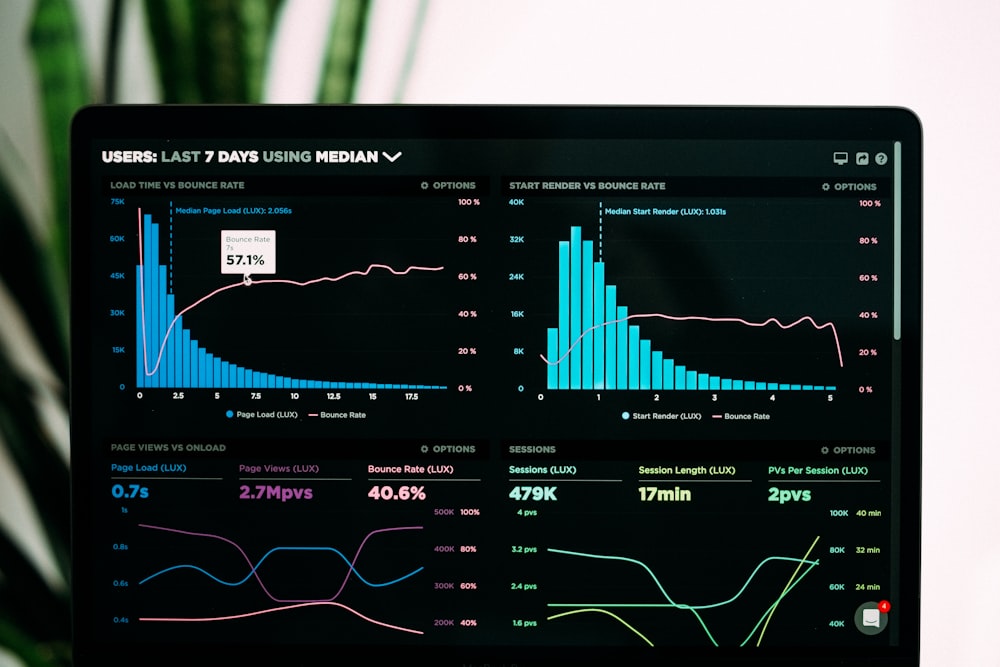
Website speed directly affects bounce rate, user engagement, and conversion performance. Slow-loading e-commerce stores create friction at every stage of the buyer journey — reducing the effectiveness of advertising spend and organic search traffic before customers ever evaluate a product or reach the checkout stage.
Modern performance optimization strategies focus heavily on Google's Core Web Vitals, which evaluate Largest Contentful Paint (LCP), Interaction to Next Paint (INP), and Cumulative Layout Shift (CLS) — measuring real-world loading behavior, interaction responsiveness, and visual stability that users experience during actual browsing sessions.
Meeting Google's Performance Thresholds
Improving LCP, INP, and CLS metrics requires both technical development expertise and strategic asset management. Professional developers optimize performance using lazy loading techniques, image compression, CDN integration, browser caching, minified CSS and JavaScript, efficient database queries, and server-side performance tuning that work together to eliminate the loading bottlenecks affecting user experience.
Performance as a Credibility Signal
A lightweight and optimized front-end not only improves search visibility but also enhances customer trust and shopping experience. Fast-loading stores consistently outperform slower competitors because users perceive speed as reliability and professionalism — making performance optimization one of the highest-ROI technical investments available to growing e-commerce businesses.
SEO-Friendly Web Architecture for E-Commerce Growth
Search engine visibility remains one of the strongest long-term growth channels for online stores. However, SEO begins with technical website architecture — not just blog content or keyword strategy. A professionally structured e-commerce website creates the foundation that allows organic rankings to improve and sustain over time.
Platforms like WordPress with WooCommerce and Shopify provide scalable CMS systems, but custom optimization is still required for maximum performance. Businesses relying solely on default templates often struggle with bloated code, duplicate layouts, and limited scalability that prevents meaningful organic ranking improvement regardless of how strong their content strategy may be.

- Clean URL structures enabling logical product and category hierarchy that search engines reward consistently
- Logical internal linking systems distributing authority across product pages and category landing pages
- Optimized metadata improving click-through rates from search results to product and category pages
- Structured heading hierarchy organizing content in a way that both users and crawlers can interpret clearly
- Schema markup implementation enabling rich results that increase visibility and click rates in search listings
- Crawl-friendly navigation ensuring product and category pages are indexed efficiently without wasted crawl budget
- Fast-loading page structures passing Core Web Vitals thresholds that directly influence organic ranking positions
E-Commerce Design Strategy for Shopify and WooCommerce Stores
Choosing the right platform depends on the business model, scalability goals, and operational requirements. Both Shopify and WooCommerce offer powerful e-commerce capabilities when configured and optimized correctly — but default installations rarely deliver the performance, branding consistency, or conversion rates that professionally developed stores achieve.

Streamlined Scalability for Growing Brands
Shopify is ideal for businesses looking for a streamlined and scalable hosted e-commerce solution. Custom Shopify development focuses on conversion optimization, theme customization, advanced product filtering, and branded user experiences — moving beyond default storefronts to create digital platforms that reflect brand identity while delivering the speed and usability that modern shoppers expect.
Maximum Flexibility for Complex Requirements
WooCommerce, built on WordPress, offers greater flexibility and customization for businesses needing complete control over functionality and SEO. WooCommerce development typically includes custom product architecture, plugin integration, performance optimization, advanced SEO control, and dynamic checkout customization tailored to specific operational and marketing requirements.
Front-End Development and Its Role in Customer Experience
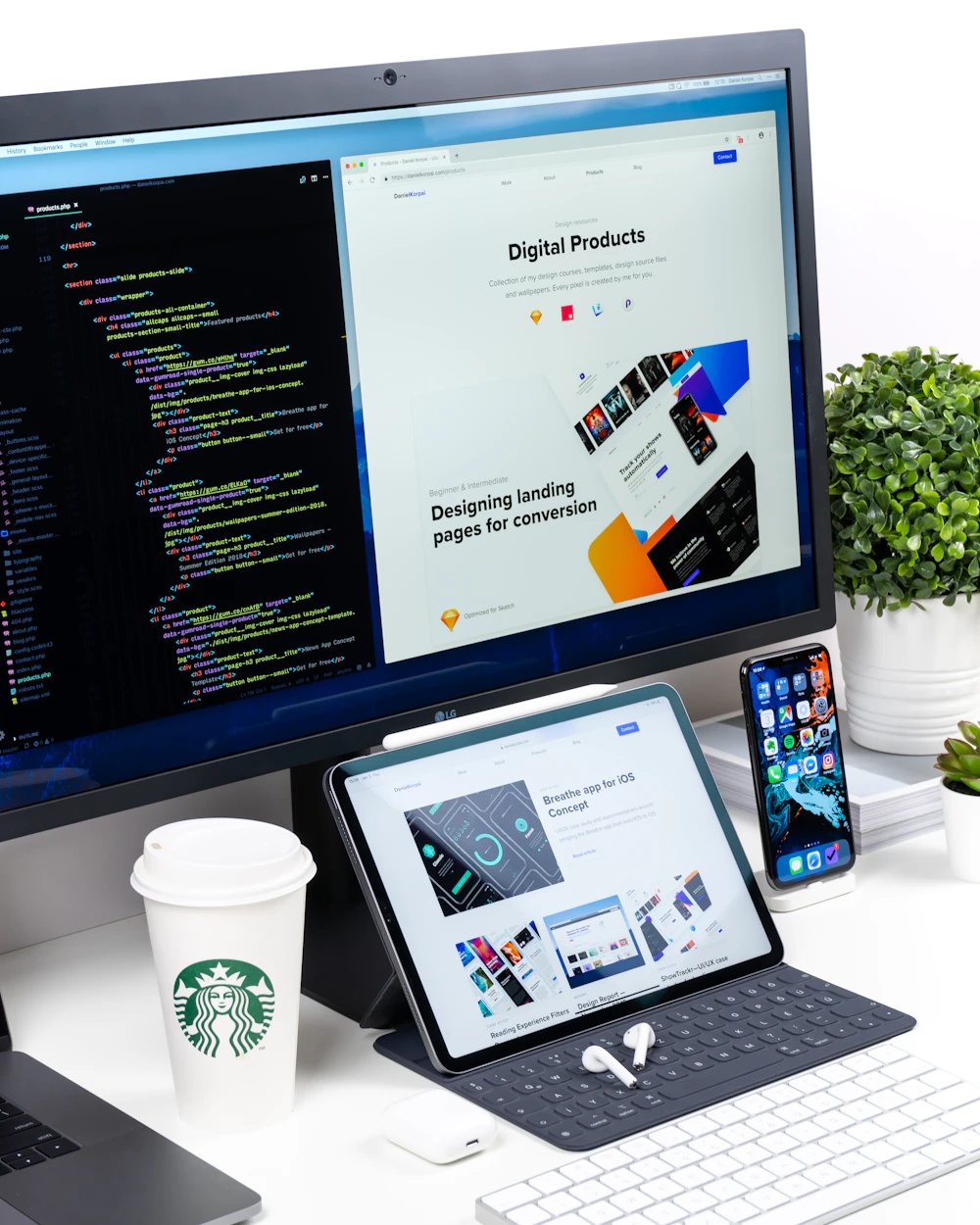
Front-end development determines how users interact with an online store in real time. Smooth animations, responsive layouts, fast interfaces, and interactive elements all contribute to the quality of user satisfaction and purchasing confidence. When front-end engineering is paired with strong UX strategy, businesses create shopping experiences that feel intuitive, premium, and trustworthy.
Modern front-end development uses technologies including HTML5, CSS3, JavaScript, React-based interfaces, AJAX integrations, and API-driven content systems. Developers also focus on accessibility standards — ensuring websites remain usable for all audiences regardless of device, browser, or browsing conditions.
What Professional Front-End Engineering Delivers for E-Commerce
- Interactive product previews increasing purchase confidence by enabling detailed evaluation before commitment
- Optimized checkout systems reducing cart abandonment through streamlined, distraction-free transaction flows
- Dynamic filtering tools enabling faster product discovery without full page reloads or excessive browsing
- Smooth micro-animations providing interface feedback that enhances perceived performance and usability
- Accessible interfaces maintaining usability across all audience segments and assistive technology environments
- API-driven content systems enabling real-time inventory, pricing, and personalization without performance penalties
- Scalable component architecture reducing future development costs as product catalogs and features expand
Brand Identity Through E-Commerce Web Design
An online store is often the first interaction customers have with a brand. Strong branding within web design helps businesses establish authority, trust, and memorability from the first page visit — influencing purchasing confidence at every touchpoint throughout the customer journey.
Professional web designers ensure that every design element reinforces the company's positioning and target audience expectations. Strong branding not only improves recognition but also increases customer confidence during purchasing decisions — reducing hesitation and building the kind of loyalty that drives repeat business and referrals over time.

Design That Builds Recognition and Authority
Brand-focused e-commerce design includes custom typography systems, consistent color psychology, strategic spacing and layouts, branded UI components, visual storytelling, and cohesive imagery. Every design decision should reinforce company positioning and align with target audience expectations — creating the kind of visual coherence that communicates professionalism and earns customer confidence.
Credibility Signals That Reduce Purchase Hesitation
Beyond aesthetics, trust-building design elements — including security badges, social proof testimonials, clear return policies, and transparent pricing structures — play a critical role in reducing purchase hesitation. Customers are more likely to complete transactions on websites that visually signal reliability, professionalism, and transparency throughout the entire shopping experience.
About Royal Wealth Org — Professional Web Design and Development Agency
Royal Wealth Org specializes in building fast, custom websites for businesses, startups, and growing brands. Their approach focuses on conversion-driven web design, responsive development, and scalable digital experiences tailored to each client's specific business objectives and audience behavior patterns.
Full-Spectrum E-Commerce Web Development
Landing page design, business website development, e-commerce store creation, SEO optimization, website redesign services, and website maintenance — all engineered around specific performance goals, business objectives, and audience behavior patterns. Additional services include branding solutions, email marketing setup, and Google My Business optimization for growing brands.
Ownership, Transparency, and Long-Term Support
Every Royal Wealth Org project is developed with performance-focused architecture, mobile responsiveness, and business scalability in mind. Clients receive free revisions, a 30-day post-launch warranty, and full ownership handover — ensuring businesses maintain complete control over their digital infrastructure without dependency on restrictive platforms or accumulating hidden subscription costs.
Why Businesses Choose Structured Web Design Agencies Over DIY Builders
Many businesses initially attempt to launch online stores using DIY website builders or low-cost templates. While these options may appear affordable upfront, they often create long-term performance and scalability limitations that become increasingly expensive to resolve as business operations and competitive requirements grow.

Short-Term Convenience, Long-Term Constraints
DIY platforms usually sacrifice flexibility, scalability, and performance optimization. Businesses frequently encounter limited customization, generic layouts, slower loading performance, weak SEO architecture, and restricted integrations. These limitations become increasingly problematic as businesses grow — creating invisible performance ceilings that competitors with professionally developed stores consistently exploit.
Coordinated Expertise Across Every Discipline
Structured web design agencies provide dedicated UI/UX planning, technical SEO optimization, performance-focused development, conversion-oriented layouts, professional testing workflows, ongoing maintenance systems, and cross-device optimization. Agencies manage performance audits, staging environments, prototyping, and deployment processes more systematically than isolated freelance workflows — protecting long-term digital ROI.
Summary
Professional e-commerce web design directly impacts user experience, search visibility, conversion performance, and long-term business growth. A modern online store requires more than attractive visuals — it needs responsive architecture, fast-loading performance, conversion-focused UI/UX, scalable development, and SEO-ready infrastructure. Businesses that invest in strategic web development create stronger customer experiences and higher revenue potential across every digital channel. For brands seeking custom-built, performance-driven websites, Royal Wealth Org provides scalable solutions designed to help businesses grow with confidence — backed by transparent pricing, free revisions, and a 30-day post-launch warranty.
Frequently Asked Questions
Common questions about e-commerce web design, online store development, conversion optimization, responsive design, Core Web Vitals, Shopify vs WooCommerce, SEO-friendly architecture, front-end development, and professional web design agencies for growing businesses
Ready to Build a High-Converting Online Store Engineered for Speed, SEO Visibility, Mobile Responsiveness, and Measurable Business Growth?
Royal Wealth Org builds custom, conversion-focused e-commerce websites combining performance-driven front-end development, Core Web Vitals optimization, mobile-first architecture, technical SEO structure, and brand-aligned UI/UX design. Book a free 30-minute call to discuss your online store project today.
0 Comments