
Graphic Design Courses, Careers, and Creative Branding: How Modern Design Shapes Business Growth
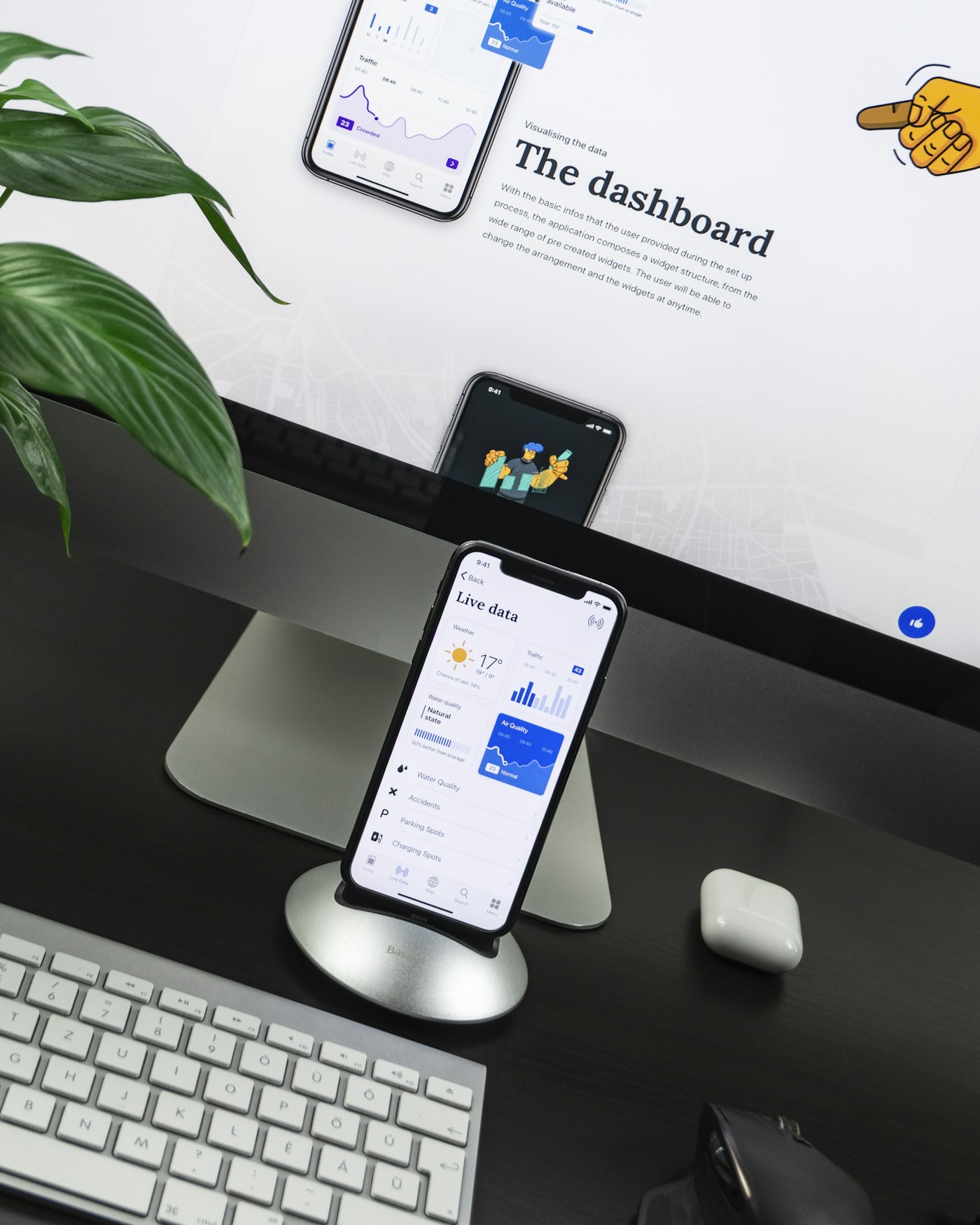
Graphic design has evolved far beyond logos and social media posts. Businesses now rely on strategic visual communication to influence purchasing behavior, strengthen digital branding, improve website engagement, and build long-term credibility. From startup founders searching for graphic design courses to companies hiring for remote graphic design jobs, the demand for skilled visual designers continues to grow across industries.
A strong visual identity directly impacts how customers perceive a business. Poor branding, inconsistent layouts, slow-loading graphics, and outdated website visuals can weaken trust within seconds. On the other hand, professionally designed interfaces, polished marketing assets, and optimized user experiences improve engagement, retention, and conversion rates. This is where expert design strategy becomes essential.
At Royal Wealth Org, graphic design is treated as a business growth tool rather than just decoration. The company combines UI/UX strategy, front-end development expertise, branding systems, and conversion-focused design to help businesses create modern digital experiences that perform across devices and platforms.
"Graphic design is no longer just decoration — it is a strategic business growth tool that influences trust, conversions, and long-term digital credibility."
Why Graphic Design Matters More Than Ever
Modern consumers interact with hundreds of visual touchpoints daily. Websites, mobile apps, email campaigns, advertisements, social media creatives, landing pages, and e-commerce stores all compete for attention. Businesses that fail to create cohesive visual communication often struggle with engagement and customer retention.
Graphic design influences several critical business metrics — from brand recognition and user trust to conversion rates and social media engagement. Professional graphics design creates consistency between digital platforms. Typography systems, spacing structures, iconography, color psychology, and layout hierarchy all work together to guide user behavior. Strong design systems also improve accessibility and usability, which directly affects conversion-focused web design.
Key Business Metrics Influenced by Graphic Design
- Brand recognition and visual identity consistency
- User trust and perceived credibility
- Conversion rates and lead generation
- Website usability and navigation clarity
- Marketing performance across digital channels
- Customer retention and repeat engagement
- Social media engagement and shareability
Graphic Design Courses and Career Opportunities
The rising demand for creative professionals has significantly increased interest in graphic design courses and graphic design internships. Businesses across technology, e-commerce, SaaS, healthcare, education, and retail require visual designers capable of building professional digital experiences.

What Modern Graphic Design Courses Include
Students entering the industry now need hybrid skill sets. Companies prefer designers who understand both aesthetics and user behavior. Knowledge of HTML, CSS, JavaScript, responsive layouts, and accessibility standards has become increasingly valuable alongside traditional design skills.
- Typography and layout systems
- UI/UX principles and interaction design
- Adobe Creative Suite and Figma prototyping
- Branding strategy and visual identity systems
- Motion graphics and micro-interactions
- Web design fundamentals and responsive design
- Visual storytelling and front-end collaboration
Remote Graphic Design Jobs and Salary Outlook
Remote graphic design jobs have expanded significantly due to distributed work environments. Designers now collaborate globally using cloud-based design platforms and project management systems, creating opportunities for freelancers, agencies, and independent creatives to work with international brands.
What Drives Higher Compensation
Graphic design salary ranges vary depending on specialization, location, and technical expertise. Designers with UI/UX experience, product design skills, motion graphics knowledge, and front-end understanding typically command significantly higher compensation than generalist designers.
Portfolios Over Degrees
Businesses hiring for graphic design jobs increasingly prioritize portfolios over degrees. A strong graphic design portfolio showcasing branding systems, landing page designs, UI prototypes, and mobile interfaces often matters more than formal certifications alone.
The Role of UI/UX in Graphic Design
Graphic design and UI/UX design are now deeply connected. Visual aesthetics alone no longer define successful digital experiences. Websites and applications must also provide intuitive navigation, clear information hierarchy, and seamless user interactions.

Interface Elements
Buttons, typography, navigation systems, layout grids, interactive states, visual consistency, and component systems that guide users through digital experiences clearly and efficiently.
Usability and Behavior
Wireframing, user journey mapping, interaction design, accessibility, information architecture, conversion pathways, and behavioral analysis to optimize how users interact with a product.
Professional designers combine both disciplines to create experiences that are visually engaging while remaining functional and conversion-oriented. For example, a poorly structured landing page may look attractive but fail to generate leads due to weak CTA placement or confusing navigation. Strategic UI hierarchy ensures users naturally move toward important actions.
AI Graphic Design and Modern Creative Workflows
AI graphic design tools are transforming how creatives approach visual production. Designers now use artificial intelligence to accelerate ideation, automate repetitive tasks, and streamline workflows — from layout generation and background removal to typography pairing and brand kit generation.
What AI-Assisted Design Tools Can Help With
- Automated layout generation and composition suggestions
- Background removal and image enhancement
- Typography pairing and visual hierarchy recommendations
- Content-aware resizing and responsive adaptation
- Brand kit generation and asset organization
- Design variation testing and rapid prototyping
AI-Powered Accessibility
Many free graphic design software platforms now include AI-powered features, making design more accessible for beginners. Yet professional-level branding still requires custom systems, creative direction, and human decision-making beyond what automation can provide.
AI as a Productivity Tool
AI does not replace strategic thinking. Businesses still require experienced designers who understand branding psychology, user behavior, conversion strategy, and business positioning. The strongest creative teams use AI as a productivity enhancer rather than a replacement for design expertise.
Website Graphics and Conversion-Focused Branding
Graphic design plays a major role in website performance and conversion optimization. Many businesses focus only on development while ignoring how visuals influence trust and user behavior. High-performing websites use strategic design principles such as visual hierarchy, white space management, grid-based layouts, CTA positioning, typography scaling, interactive feedback, brand consistency, and accessibility standards.
Performance optimization is equally important. Uncompressed images, excessive animations, and poorly coded visual elements can reduce loading speed and negatively impact SEO rankings. Professional design teams prioritize SVG optimization, lazy loading, responsive images, font performance, accessibility contrast ratios, and component-based design systems — technical considerations that directly affect both usability and search visibility.
About Royal Wealth Org – Custom Web Design Agency for Modern Businesses
Royal Wealth Org is a web design and development agency focused on building fast, custom websites for businesses, startups, and modern brands. The company develops fully customized digital experiences without relying on generic templates, helping businesses create stronger online identities and higher-performing websites.
What They Build
Landing page design, business website development, e-commerce store development, SEO optimization, website redesign services, and website maintenance for growing businesses worldwide.
Growth & Brand Support
Branding systems, email marketing setup, and Google My Business optimization for businesses looking to strengthen their overall digital presence and attract more customers online.
Why Businesses Prefer Structured Agencies Over DIY Solutions
Many startups initially choose DIY website builders, cheap templates, or low-cost freelancers to reduce upfront expenses. While this approach may appear cost-effective initially, it often creates scalability, branding, and technical performance issues later.
Long-Term Scalability
Custom functionality, SEO flexibility, performance optimization, advanced integrations, branding uniqueness, and scalability. Template-based websites frequently suffer from repetitive layouts and poor differentiation in competitive markets.
End-to-End Expertise
Collaborative systems involving UI/UX designers, front-end developers, SEO specialists, branding strategists, and performance optimization experts — creating stronger quality control and scalable project execution.
Why Professional Agencies Deliver Stronger ROI
- Ongoing maintenance, structured revision processes, and testing environments
- Optimization workflows and long-term technical support
- Organized deployment systems that reduce operational risk
- Converting traffic more efficiently during marketing campaigns
- Reducing customer acquisition costs while improving overall return on investment
Technical Design Elements That Impact Performance
Modern graphic design and web design extend beyond visuals into technical optimization. High-performing digital experiences combine creative design with clean architecture and development efficiency.

Core Web Vitals Optimization
Google evaluates websites based on loading performance, interactivity, and layout stability. Poor visual optimization can negatively affect rankings and usability. Key metrics include Largest Contentful Paint (LCP), Interaction to Next Paint (INP), and Cumulative Layout Shift (CLS) — all directly affected by graphic design decisions.
Mobile Responsiveness and Clean Code Structure
Responsive layouts ensure websites function properly across smartphones, tablets, and desktops. Mobile-first frameworks prioritize touch usability, readable typography, and scalable components. Front-end development quality also affects both performance and maintainability through proper HTML semantics, optimized CSS architecture, and lightweight JavaScript frameworks.
Strategic Planning First
Professional projects begin with strategic planning before visual execution. Wireframes define layout structure while prototypes simulate interactions and user flows — reducing costly revisions later in the project lifecycle.
Design Meets Discoverability
Technical SEO elements such as heading hierarchy, metadata structure, schema markup, image optimization, and internal linking directly influence search visibility — making design and SEO inseparable disciplines.
Building a Graphic Design Portfolio That Attracts Clients
A strong graphic design portfolio remains one of the most important career assets for designers. Businesses evaluating creative professionals want to see real-world application rather than theoretical skill claims.
- Branding consistency and visual identity systems
- UI/UX understanding and interaction design examples
- Responsive layouts and mobile interface designs
- Typography systems and visual hierarchy demonstrations
- Conversion-focused thinking and CTA strategy
- Problem-solving ability with real business context
- Technical versatility across graphic design software platforms
Summary
Graphic design now sits at the center of branding, user experience, digital marketing, and website performance. Businesses that invest in strategic visual systems gain stronger credibility, higher engagement, improved usability, and better conversion outcomes. From responsive UI/UX design to SEO-friendly web architecture and scalable branding systems, professional design directly influences business growth. Royal Wealth Org combines custom development, branding expertise, and performance-focused design to help businesses create modern digital experiences that are visually strong, technically optimized, and built for long-term scalability.
Frequently Asked Questions
Common questions about graphic design courses, careers, software, and digital business growth
Ready to Build a Brand That Stands Out and Converts Visitors Into Customers?
Royal Wealth Org builds custom, conversion-focused websites combining strategic graphic design, UI/UX expertise, performance optimization, and SEO-ready architecture. Book a free 30-minute call to discuss your project today.


0 Comments