
Conversion-Focused Web Design: How Smart Websites Turn Visitors Into Customers

Many businesses invest heavily in advertising, SEO, and social media campaigns but still struggle to generate consistent leads or sales. The issue is rarely traffic alone. In most cases, the real problem lies in poor website conversions. A website may attract visitors, but without strategic UI/UX design, optimized landing pages, and performance-focused development, users leave before taking action.
Modern web design is no longer centered only around aesthetics. High-performing websites are built with conversion strategy at their core. Every layout decision, navigation structure, CTA placement, loading speed improvement, and mobile interaction directly impacts how users engage with a brand and whether they ultimately convert into customers.
Businesses that prioritize conversion-focused web design often see stronger lead generation, higher customer retention, improved search visibility, and better overall ROI from their digital marketing efforts. This is why professional agencies like Royal Wealth Org now combine responsive development, CRO strategy, front-end optimization, and SEO-friendly architecture into one integrated process that prioritizes measurable business outcomes.
"A beautiful website that doesn't convert is like an expensive storefront with doors locked shut. Conversion-focused design is about removing obstacles from the customer journey and guiding every visitor toward meaningful action — whether that's booking a consultation, making a purchase, or requesting more information."
Understanding Conversion-Focused Web Design
Conversion-focused web design is the process of creating websites specifically engineered to guide users toward meaningful actions. These actions may include booking consultations, purchasing products, submitting inquiries, subscribing to newsletters, downloading resources, or requesting proposals.
Many websites fail because they prioritize visuals over usability and conversion strategy. Attractive layouts without strategic structure often confuse users rather than guide them toward action. Effective conversion design combines psychology, UI hierarchy, responsive usability, and performance optimization to create frictionless experiences that feel natural and intuitive.
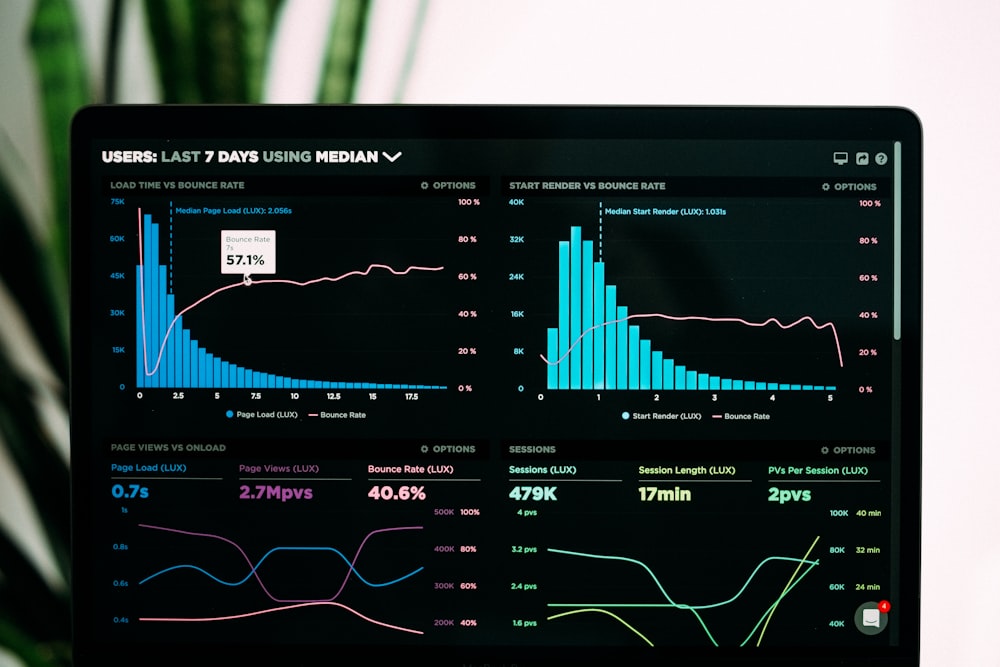
User intent plays a critical role in modern web design. Businesses must understand why users arrive on a website and what information they expect to find immediately. Navigation complexity, inconsistent layouts, cluttered sections, and weak call-to-action placement all reduce conversion potential significantly.
- Clear value propositions visible immediately upon arrival without requiring extensive scrolling or navigation
- Strategic CTA placement at natural decision points throughout the user journey where conversion intent is highest
- Intuitive navigation systems guiding users efficiently toward conversion goals without confusion or cognitive overload
- Trust-building elements including testimonials, security badges, and authority indicators reducing conversion hesitation
- Fast-loading pages improving user experience and reducing bounce rates that prevent conversion opportunities
- Mobile responsiveness ensuring consistent conversion performance across all devices and screen sizes
- Continuous optimization through analytics, heatmaps, and A/B testing refining conversion performance over time
- Scalable architecture supporting long-term optimization and business growth without complete redesigns
UI/UX Design Principles That Improve Conversions
UI/UX design has a direct impact on how users interact with a website and whether they complete desired actions. Poor usability often causes high bounce rates regardless of traffic volume or marketing investment.
Effective UI design focuses on visual clarity, spacing consistency, typography systems, navigation accessibility, and responsive interaction patterns. Every element should contribute toward improving usability and reducing user friction.

UX design, on the other hand, focuses on how users experience the complete website journey. This includes navigation flow, page structure, content hierarchy, interaction responsiveness, loading performance, and conversion pathways. Together, UI and UX create experiences that feel effortless and intentional.
UI Elements That Drive Conversions
Strong UI design uses typography scaling to establish hierarchy, whitespace to improve readability, color psychology to guide attention, and button design to encourage action. Micro-interactions like hover states, loading animations, and feedback indicators make interfaces feel polished and responsive — improving user confidence and encouraging action completion.
Journey Design That Reduces Friction
Effective UX design maps user journeys, identifies friction points, removes unnecessary steps, and creates pathways toward conversion goals. Accessibility remains critical — proper contrast ratios, readable typography, semantic HTML, and keyboard navigation create inclusive experiences serving broader audiences while improving conversion performance across all user types.
High-Converting Website Characteristics
- Clear navigation systems enabling users to find information and CTAs efficiently without confusion
- Minimal visual clutter reducing cognitive overload and helping users focus on conversion actions
- Strategic CTA positioning at natural decision points where conversion intent is strongest
- Fast-loading interfaces improving user patience and reducing abandonment before conversion
- Mobile responsiveness ensuring consistent conversion experience across all devices
- Consistent branding reinforcing professional credibility and building user trust and confidence
- Easy-to-scan layouts using formatting, spacing, and hierarchy enabling rapid information consumption
- Polished micro-interactions creating engagement and confidence in website reliability and quality
Landing Page Strategy and CRO Optimization
Landing pages are among the most important assets in conversion-focused web design. Unlike general website pages, landing pages are built around a single objective with minimal distractions and competing links.
Effective landing page design requires strategic messaging hierarchy, persuasive layouts, trust-building elements, and optimized call-to-action positioning. Businesses that send paid traffic to poorly structured landing pages often waste significant marketing budgets on clicks that never convert.

Conversion Rate Optimization (CRO) focuses on improving the percentage of users who complete desired actions. Strategic CRO includes CTA testing, heatmap analysis, user behavior tracking, form optimization, content hierarchy refinement, mobile UX improvements, and page speed optimization.
- Benefit-focused headline copy addressing user pain points rather than product features alone
- Subheading reinforcing the value proposition and clarifying why the offer matters to visitors
- High-quality imagery or video demonstrating the offer and creating emotional connection with users
- Social proof including testimonials, case studies, and client logos building credibility and trust
- Trust badges and security icons reassuring visitors about data protection and business legitimacy
- Clear value communication explaining specific benefits and outcomes of taking the desired action
- Optimized forms minimizing required fields and friction that causes abandonment before completion
- High-visibility CTA button positioned at optimal scroll depth for maximum engagement and action
Responsive Web Design and Mobile Conversion Performance
Mobile traffic now dominates most industries. Businesses that ignore mobile usability lose both conversions and search visibility. Over 60% of web traffic typically comes from mobile devices, making mobile optimization critical for conversion success.
Responsive web design ensures websites adapt seamlessly across desktops, tablets, and smartphones. However, responsive design involves more than resizing layouts. Mobile-first development focuses on usability, performance, and interaction quality on smaller screens where conversion friction is highest.

Google also uses mobile-first indexing, meaning mobile usability directly affects SEO rankings and crawl performance. Poor mobile experiences negatively impact engagement metrics, bounce rates, and conversion potential simultaneously.
Mobile Conversion Optimization Elements
- Touch-friendly button sizing using minimum 48x48px targets preventing accidental clicks and frustration
- Simplified navigation eliminating unnecessary menu items and focusing on conversion pathways
- Fast-loading assets optimizing images, scripts, and performance for slower mobile connections
- Readable typography scaling appropriately for smaller screens without requiring excessive zooming
- Optimized forms reducing required fields and using mobile-friendly input types for faster completion
- Sticky CTA buttons maintaining conversion option visibility during scroll on mobile devices
- One-handed usability designing layouts that work comfortably when holding phones in one hand
- Fast checkout processes for e-commerce reducing cart abandonment and payment failures on mobile
Website Speed, Core Web Vitals, and Conversion Impact
Website speed has become one of the most important factors in modern conversion optimization. Even small delays in loading times can significantly reduce engagement and lead generation performance.
Google's Core Web Vitals framework measures key performance indicators including Largest Contentful Paint (LCP) measuring loading speed, Interaction to Next Paint (INP) measuring responsiveness, and Cumulative Layout Shift (CLS) measuring visual stability. Slow-loading websites frustrate users and create abandonment points before visitors even engage with content.

Speed Improvements That Increase Conversions
Professional developers improve website speed through image compression, lazy loading, CSS and JavaScript minification, CDN integration, browser caching, efficient hosting, and clean code architecture. Performance optimization also improves SEO visibility — search engines prioritize fast websites that deliver strong user experiences and technical efficiency over slower competitors.
Why Speed Matters for Sales
Slow-loading websites increase bounce rates and reduce conversion opportunities. Each additional second of loading delay reduces conversions measurably. Professional Core Web Vitals optimization balances visual quality with loading speed — ensuring websites deliver engaging experiences while maintaining the technical performance required for modern user expectations and search engine rankings.
SEO-Friendly Architecture and User Journey Optimization
SEO and conversion optimization work best when integrated together. Many websites rank well but fail to convert because user experience and content flow are poorly structured.
SEO-friendly architecture involves creating organized page hierarchies, internal linking systems, semantic HTML structures, and optimized metadata configurations. This improves both crawlability for search engines and user navigation throughout the website.

User journey optimization focuses on guiding visitors naturally through a website. High-converting websites strategically organize homepage structure, service pages, landing pages, blog content, navigation pathways, and CTA positioning to create logical flow toward conversion goals.
About Royal Wealth Org — Professional Web Design Agency
Royal Wealth Org is a professional web design and development agency specializing in conversion-focused digital experiences for businesses, startups, and modern brands. The agency builds fully custom websites without relying on generic templates that limit scalability and conversion performance.
Their approach combines UI/UX strategy, responsive development, SEO-friendly architecture, and performance optimization to create scalable platforms designed for long-term growth and measurable business results.

Full-Spectrum Web Design & Development
Landing page development, business website design, e-commerce store creation, SEO optimization, website redesign, and ongoing maintenance — all engineered around conversion goals, business objectives, and user behavior analysis. Additional services include branding solutions, email marketing setup, Google My Business optimization, and advanced functionality integration for complex business requirements.
Ownership, Transparency, and Support
Every Royal Wealth Org project includes free revisions, a 30-day post-launch warranty, and complete ownership handover — ensuring businesses maintain full control over their website without dependency on restrictive platforms, hidden costs, or licensing limitations that prevent future customization and growth.
Why Businesses Choose Professional Agencies Over DIY Builders
Many businesses initially choose cheap templates or DIY website builders because they appear convenient and cost-effective. However, these solutions often create long-term limitations related to scalability, SEO flexibility, performance optimization, and branding consistency that compound over time.
DIY platforms frequently generate bloated code structures and limited customization capabilities, requiring complete redesigns once growth demands become more advanced. Freelancers may provide quality work individually, but businesses often face challenges with fragmented communication, inconsistent workflows, and limited technical specialization.

Professional Agency Advantages Over DIY Solutions
- Strategic development process combining research, wireframing, prototyping, and CRO implementation before launch
- Multi-disciplinary expertise across UI/UX design, development, SEO, branding, and conversion strategy
- Scalability and long-term support enabling website evolution as business requirements expand and goals change
- Quality assurance across browsers, devices, and performance environments improving reliability consistently
- Conversion-focused strategy prioritizing measurable business outcomes rather than template aesthetics alone
- Ongoing optimization using analytics, testing, and behavioral data refining performance continuously
- Technical excellence supporting long-term competitive advantage and sustainable digital growth
- Client partnership approach ensuring business objectives drive every design and development decision
Technical Web Design Insights That Drive Conversions
Several technical elements directly influence conversion performance and overall website effectiveness. Businesses combining strategic UX design with technical optimization typically outperform competitors relying solely on aesthetics or limited functionality.
Critical Technical Elements for Conversion Success
- Wireframing and prototyping planning layouts and testing user flows before expensive development begins
- Clean code structure improving performance, maintainability, scalability, and search engine compatibility
- CMS flexibility supporting content management, integrations, and future functionality additions without rebuilds
- UI hierarchy establishing visual systems that guide attention strategically toward conversion actions
- On-page SEO optimization implementing proper heading structures, metadata, and internal linking systems
- Mobile responsiveness ensuring consistent usability and conversion performance across all device types
- Page speed optimization improving retention, reducing bounce rates, and increasing conversion opportunities
- Analytics integration enabling data-driven optimization through real user behavior tracking and analysis
Summary
Conversion-focused web design is no longer optional for businesses competing online. Websites must combine responsive usability, strategic UX planning, SEO-friendly architecture, performance optimization, and conversion-driven layouts to generate measurable growth. Businesses investing in professionally structured websites gain stronger engagement, improved search visibility, better customer trust, and higher long-term ROI from marketing investments. Through custom-built digital experiences optimized for conversions and scalability, Royal Wealth Org helps businesses transform websites into powerful growth assets rather than simple online placeholders — backed by transparent pricing, free revisions, and a 30-day post-launch warranty that gives every client confidence in their digital investment.
Frequently Asked Questions
Common questions about conversion-focused web design, CRO strategy, landing page optimization, UI/UX design, mobile responsiveness, Core Web Vitals, SEO integration, and professional web design agencies for businesses seeking measurable growth
Ready to Build a Conversion-Focused Website That Turns Visitors Into Customers, Leads, and Loyal Brand Advocates?
Royal Wealth Org builds custom, conversion-optimized websites combining strategic UI/UX design, responsive mobile-first development, CRO strategies, Core Web Vitals optimization, SEO-friendly architecture, landing page optimization, and scalable infrastructure. Book a free 30-minute call to discuss your conversion goals today.
0 Comments