
Website Indexing and SEO-Friendly Web Design: How Proper Indexing Impacts Business Growth

Most business websites fail to generate meaningful organic traffic not because of poor design, but because search engines struggle to properly crawl, understand, and index their content. A visually impressive website means very little if Google cannot efficiently access pages, evaluate structure, or identify relevance for competitive search queries.
Website indexing has become one of the most important technical foundations of modern web development. Businesses investing in responsive design, fast-loading infrastructure, UI/UX optimization, and conversion-focused layouts still lose visibility if their technical SEO architecture is weak. Pages remain undiscovered, rankings stagnate, and valuable content never reaches potential customers who are actively searching for solutions online.
This is why professional web design agencies increasingly combine front-end development, SEO architecture, Core Web Vitals optimization, and indexing strategies into one integrated workflow. A properly indexed website improves discoverability, strengthens authority, increases search visibility, and supports long-term business growth. Agencies like Royal Wealth Org help businesses create custom websites that are not only visually modern but also technically structured for strong indexing performance, responsive usability, and scalable SEO growth.
"Website indexing is the foundational layer upon which all SEO visibility rests. Without proper indexing, even the most beautifully designed websites remain invisible to search engines, meaning superior content and conversion-optimized layouts serve no business purpose because target audiences never discover them."
Understanding Website Indexing and Why It Matters
Website indexing is the process search engines use to store, organize, and categorize web pages within their massive databases. Before a website can rank for competitive keywords, its pages must first be discovered through crawling, analyzed for relevance and authority, and successfully indexed within search engine systems.
Many businesses assume publishing a website automatically guarantees visibility on Google. In reality, indexing depends on multiple technical factors including crawlability, page structure, internal linking architecture, metadata optimization, mobile responsiveness, and page loading performance. Search engines use sophisticated bots to crawl websites and evaluate content hierarchy, relationships, and relevance.
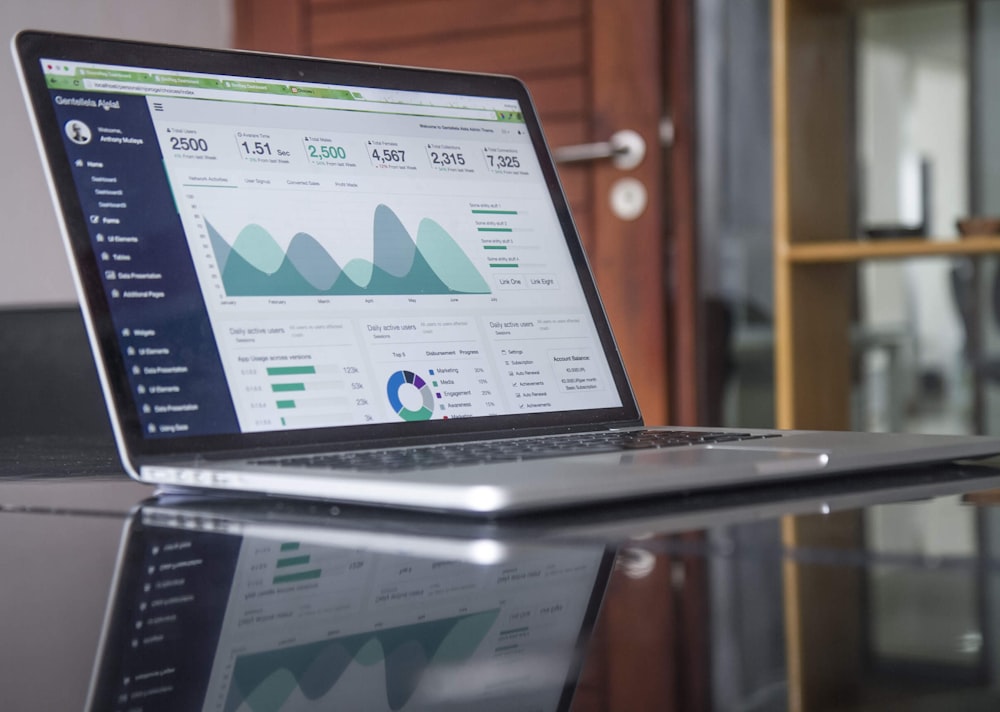
Poorly structured websites often create indexing problems through duplicate content, broken links, weak navigation systems, missing canonical tags, bloated JavaScript rendering, and inefficient site architecture. As a result, valuable pages may never appear in search results, even when content quality is excellent.
- Crawlable architecture enabling search engine bots to efficiently discover and access all important pages
- Clean site structure reducing crawl complexity and helping bots prioritize valuable content
- Optimized metadata including title tags, meta descriptions, and structured data markup
- Mobile responsiveness supporting Google's mobile-first indexing evaluation system
- Fast page loading performance improving crawl efficiency and user engagement metrics
- Internal linking strategies distributing crawl budget and authority throughout the website
- XML sitemaps guiding search engines to important pages and new content discovery
- Canonical tag implementation preventing duplicate content indexing problems
SEO-Friendly Web Architecture and Crawl Optimization
A strong website foundation begins with thoughtful technical architecture. Search engines prioritize websites that provide clean navigation paths, organized content structures, and efficient crawling accessibility. SEO-friendly architecture is not an afterthought — it is fundamental to how websites communicate with search engines.
Professional web design combines user experience optimization with technical SEO through structured planning. Landing pages, service pages, blog content, and category systems are mapped strategically during the wireframing phase to improve discoverability, distribute authority appropriately, and guide search engines through logical content hierarchies.

Core Components of SEO-Friendly Web Architecture
- Structured URL hierarchies using clean, keyword-relevant paths that improve both crawlability and user understanding
- Logical navigation systems providing multiple pathways to priority pages and reducing click depth from homepage
- Strategic internal linking distributing page authority throughout website while guiding crawlers to important content
- Comprehensive XML sitemaps helping search engines discover and crawl important pages more efficiently
- Optimized robots.txt configuration guiding crawlers efficiently while preventing crawl of low-value pages
- Canonical URL management preventing duplicate content indexing issues that dilute page authority
- Breadcrumb navigation improving user experience while providing additional internal linking structure
- Clean heading hierarchy establishing logical content relationships that search engines interpret accurately
Optimizing Search Engine Resource Allocation
Search engines allocate limited crawl budgets to each website. Professional SEO architecture optimizes this resource by preventing crawls of low-value pages, ensuring important content receives adequate attention. Clean site structures, proper redirects, and strategic internal linking guide bots efficiently toward high-priority business pages rather than wasting crawl budget on duplicate or low-relevance content.
Teaching Search Engines About Importance
Proper website architecture communicates content importance to search engines through navigation placement, internal linking volume, and structural positioning. Pages receiving more internal links, featured prominently in navigation, and positioned at higher levels of site hierarchy signal greater importance — helping search engines understand which content deserves higher rankings and crawl frequency.
Core Web Vitals and Their Role in Indexing Performance
Google increasingly prioritizes websites that provide fast, stable, and responsive user experiences. Core Web Vitals are now deeply connected to both search rankings and indexing quality. These three metrics evaluate essential dimensions of website user experience that directly impact discoverability and performance.
Slow-loading websites struggle with indexing because search engine bots allocate limited crawl resources. If pages load inefficiently, scripts delay rendering, or images fail to optimize properly, search engines may reduce crawl frequency or fail to process important content correctly. This performance-based indexing penalty compounds over time.

Core Web Vitals Performance Optimization Strategies
- Lazy loading implementation deferring non-critical image and content loading until user interaction
- Image compression balancing visual quality with file size efficiency for faster delivery
- CSS and JavaScript minification reducing code volume and improving parsing efficiency
- Browser caching enabling repeat visitors to load pages from local storage rather than server requests
- Content Delivery Network (CDN) integration serving content from geographically distributed servers
- Server response optimization reducing Time to First Byte (TTFB) for faster page starts
- Lightweight framework selection using efficient front-end technologies that minimize loading overhead
- Font optimization preventing render-blocking that delays page visual completeness
Responsive Web Design and Mobile-First Indexing
Responsive web design is no longer simply about appearance across different device sizes. It directly affects indexing efficiency, user engagement signals, and overall search performance. Google's mobile-first indexing system prioritizes mobile usability above all other factors when evaluating pages for indexing and ranking.
Websites with poor mobile optimization frequently experience significant search visibility drops, crawl frequency reductions, and indexing inconsistencies. Modern consumers receive the majority of their traffic through smartphones and tablets, making mobile responsiveness non-negotiable for business success. If navigation becomes difficult, content becomes hard to read, or checkout processes become confusing on smaller screens, users abandon pages immediately.

Designing for Smaller Screens First
Professional agencies develop responsive web design systems starting with smartphones and tablets first, then scaling upward to larger devices. This mobile-first approach ensures clean layouts, stronger content prioritization, and better usability consistency across all screen sizes. Wireframes are structured around touch-friendly interfaces, simplified navigation, and mobile-optimized content hierarchy from project inception.
Search Visibility Through Mobile Excellence
Responsive websites that prioritize mobile experiences satisfy Google's mobile-first indexing requirements while improving search rankings across all queries. Superior mobile usability reduces bounce rates, increases session duration, and strengthens behavioral signals that search engines interpret as content quality indicators. This creates a positive feedback loop where better mobile experiences generate better search performance.
Front-End Development and Technical SEO Integration
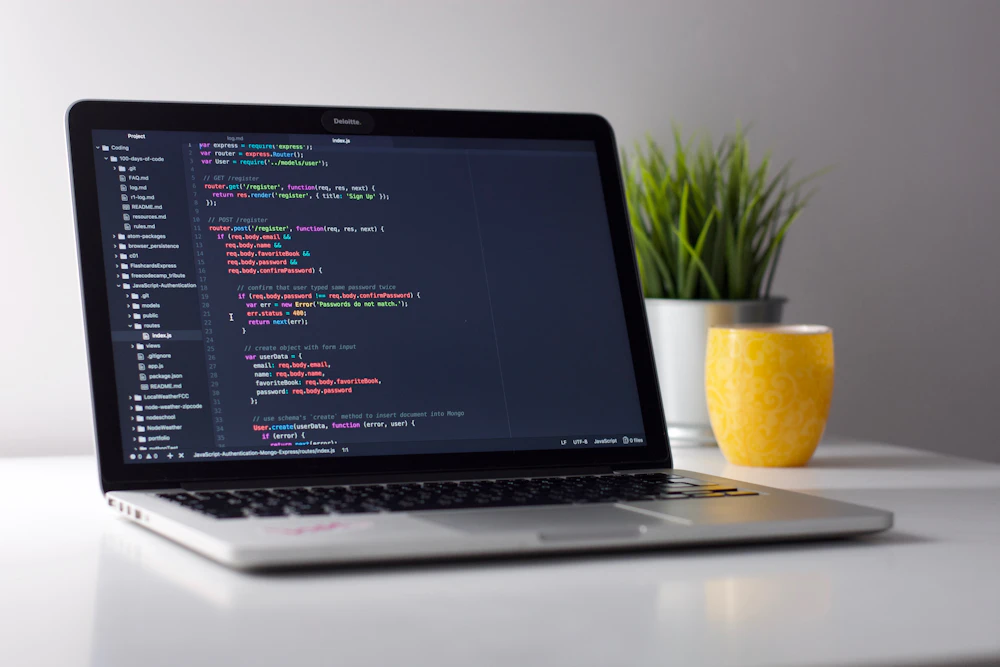
Front-end development plays a major role in indexing success and overall SEO performance. Search engines rely on clean HTML structures, semantic markup, and accessible content rendering to properly interpret and index websites effectively. Poor front-end implementation can severely limit indexing quality even when content itself is excellent.
Modern front-end development combines technologies like HTML5, CSS3, and JavaScript frameworks with accessibility considerations and SEO optimization. Developers must balance visual effects and interactive experiences with search engine compatibility and content accessibility.
Front-End Technical SEO Components
- Semantic HTML using proper heading hierarchy (H1, H2, H3), article tags, and section elements
- Schema markup implementation helping search engines understand content context and improve rich snippet display
- Open Graph optimization enabling proper social media preview formatting and sharing behavior
- Structured data integration (JSON-LD) communicating product information, reviews, and content relationships
- Internal linking architecture distributing authority strategically throughout website
- Breadcrumb navigation improving usability while providing additional internal linking opportunities
- Crawlable navigation systems avoiding JavaScript-only navigation that prevents search engine access
- Accessibility-focused structures improving usability for broader audiences while supporting technical SEO
Conversion-Focused Indexing Strategy and Landing Page Optimization
Indexing alone does not guarantee business growth. Websites must also convert visitors effectively after attracting traffic through search engines. Conversion-focused design combines SEO architecture with strategic UX planning to guide users naturally toward inquiries, purchases, or desired actions.
Search engines evaluate engagement signals such as bounce rate, time-on-page (dwell time), and interaction quality. Poorly designed landing pages often lose rankings over time because users fail to engage meaningfully with content. Professional agencies use wireframing and prototyping to structure conversion pathways before development begins, creating better alignment between SEO traffic acquisition and actual business objectives.

- Strong visual hierarchy guiding user attention toward key conversion elements and value propositions
- Clear call-to-action button placement at natural decision points throughout the browsing experience
- Fast-loading page architecture reducing bounce rates and improving user engagement metrics
- Minimal distraction elements removing competing messages that reduce conversion focus
- Optimized form structures minimizing required fields and reducing friction during submission
- Trust-building content including testimonials, certifications, and security badges at key friction points
- Mobile responsiveness ensuring consistent conversion performance across all device types
- Readable content formatting improving scannability and ensuring important messages are quickly understood
About Royal Wealth Org — Professional Web Design and Development Agency
Royal Wealth Org is a professional web design and development agency focused on building fast, custom-built websites for startups, businesses, entrepreneurs, and modern brands. The company specializes in fully customized development rather than template-based website solutions that create long-term limitations.
Their process combines UI/UX strategy, responsive web development, SEO-friendly architecture, indexing optimization, and conversion-focused design to create scalable digital experiences built for visibility, engagement, and sustainable business growth.

Full-Spectrum Web Design & Development
Landing page design, business website development, portfolio website creation, e-commerce development, SEO optimization, website redesign, and ongoing maintenance — all engineered around specific performance goals, SEO objectives, and business conversion targets. Additional services include branding solutions, email marketing setup, Google My Business optimization, and advanced technical integrations for complex business requirements.
Ownership, Transparency, and Long-Term Support
Every Royal Wealth Org project includes free revisions, a 30-day post-launch warranty, and complete ownership handover — ensuring businesses maintain full control over their website without dependency on restrictive platforms, hidden costs, or licensing limitations that prevent customization and growth as business requirements evolve.
Why Businesses Choose Professional Agencies Over DIY Builders
Many businesses initially choose cheap templates or DIY website builders because they appear cost-effective. However, these solutions often create technical limitations that negatively impact indexing performance, page speed, scalability, and overall branding consistency.
DIY platforms frequently generate bloated code structures, limited SEO flexibility, slow loading speeds, and generic layouts that fail to stand out in competitive markets. Businesses eventually outgrow these systems and require complete redevelopment later. Freelancers can provide excellent work in specific areas, but project consistency often depends entirely on individual experience level.

Short-Term Savings, Long-Term Constraints
Cheap templates frequently suffer from slow loading speeds, generic design appearance, limited SEO customization, poor indexing architecture, weak mobile optimization, and bloated code that accumulates technical debt rapidly. While these solutions reduce initial costs, they create competitive disadvantages that become increasingly expensive to resolve as businesses grow and market expectations rise — often requiring complete rebuilds rather than iterative improvements.
Coordinated Expertise Across Disciplines
Professional agencies provide organized development workflows, performance-focused strategies, long-term scalability planning, dedicated technical support, SEO-integrated architecture, and professional branding systems. Designers, developers, SEO strategists, and project managers collaborate through systematic processes — delivering the coordinated multi-discipline expertise that consistently outperforms fragmented DIY or isolated freelance development approaches.
Technical Web Design Elements That Improve Indexing and Performance
Several technical elements strongly influence both indexing quality and overall website effectiveness. Businesses that prioritize these technical foundations alongside visual design consistently outperform competitors relying solely on aesthetics or basic content marketing.
Critical Technical Elements for Indexing Success
- Clean code architecture improving crawl efficiency, scalability, maintainability, and long-term performance
- Wireframing and prototyping enabling structured planning of navigation flow and content hierarchy before development
- CMS optimization ensuring platforms like WordPress remain fast, scalable, and SEO-friendly
- Internal linking strategy distributing page authority and helping search engines discover important content
- Visual hierarchy improving readability, usability, and engagement through intentional design decisions
- Page speed optimization through image compression, caching, minification, and efficient code
- Mobile responsiveness ensuring consistent functionality and visual quality across all device types
- Semantic HTML providing proper content structure that search engines can interpret accurately
Summary
Website indexing is one of the most important technical foundations behind successful digital growth. Businesses investing in SEO-friendly web design, responsive architecture, performance optimization, and conversion-focused UX create stronger search visibility, better user experiences, and higher long-term ROI. Professional web development combines technical SEO excellence, front-end performance, mobile responsiveness, and strategic design into one scalable system that supports both search engine requirements and user expectations. Through custom-built websites optimized for indexing, usability, and business growth, Royal Wealth Org helps brands establish stronger online authority and sustainable digital performance — backed by transparent pricing, free revisions, and a 30-day post-launch warranty that gives clients confidence in their digital investment.
Frequently Asked Questions
Common questions about website indexing, SEO-friendly web design, crawl optimization, Core Web Vitals, mobile-first indexing, technical SEO, front-end development, schema markup, page speed, and professional web design agencies for sustainable business growth
Ready to Build a Custom Website Engineered for Proper Indexing, Search Visibility, User Experience, and Sustainable Business Growth?
Royal Wealth Org builds custom websites combining SEO-friendly architecture, responsive web design, indexing optimization, Core Web Vitals performance, mobile-first development, technical excellence, conversion strategy, and scalable infrastructure. Book a free 30-minute call to discuss your website project today.
0 Comments